What Is Terry Cloth? Terry Fabric Explained (2026)
How the loops work, the three kinds of terry you will meet on a label, and how to pick the right terry towel.
How the loops work, the three kinds of terry you will meet on a label, and how to pick the right terry towel.
I don't know if you've noticed, but there's a type of fabric we use frequently in our daily lives: terry cloth. So, what exactly is terry cloth?
Let's find out together.
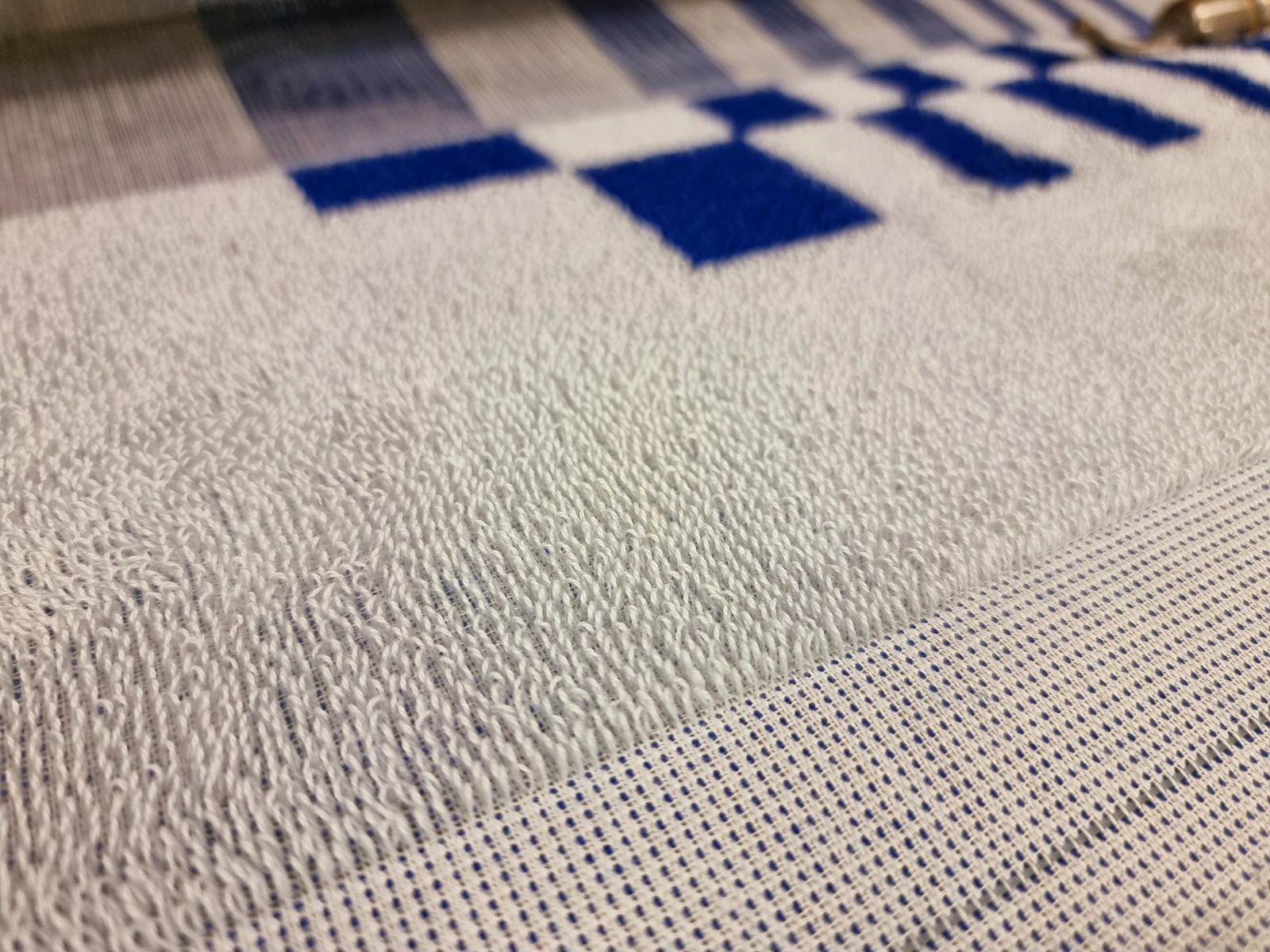
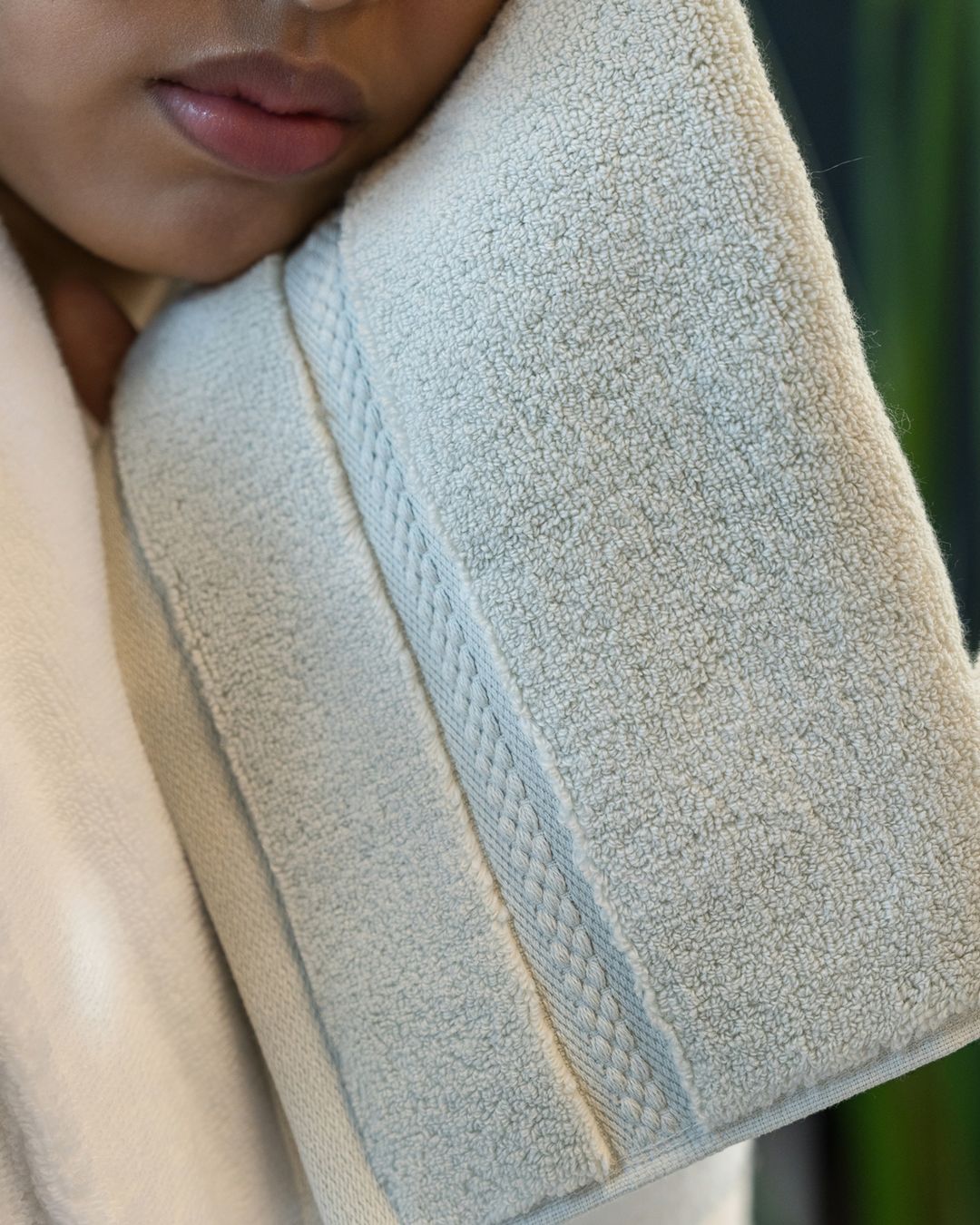
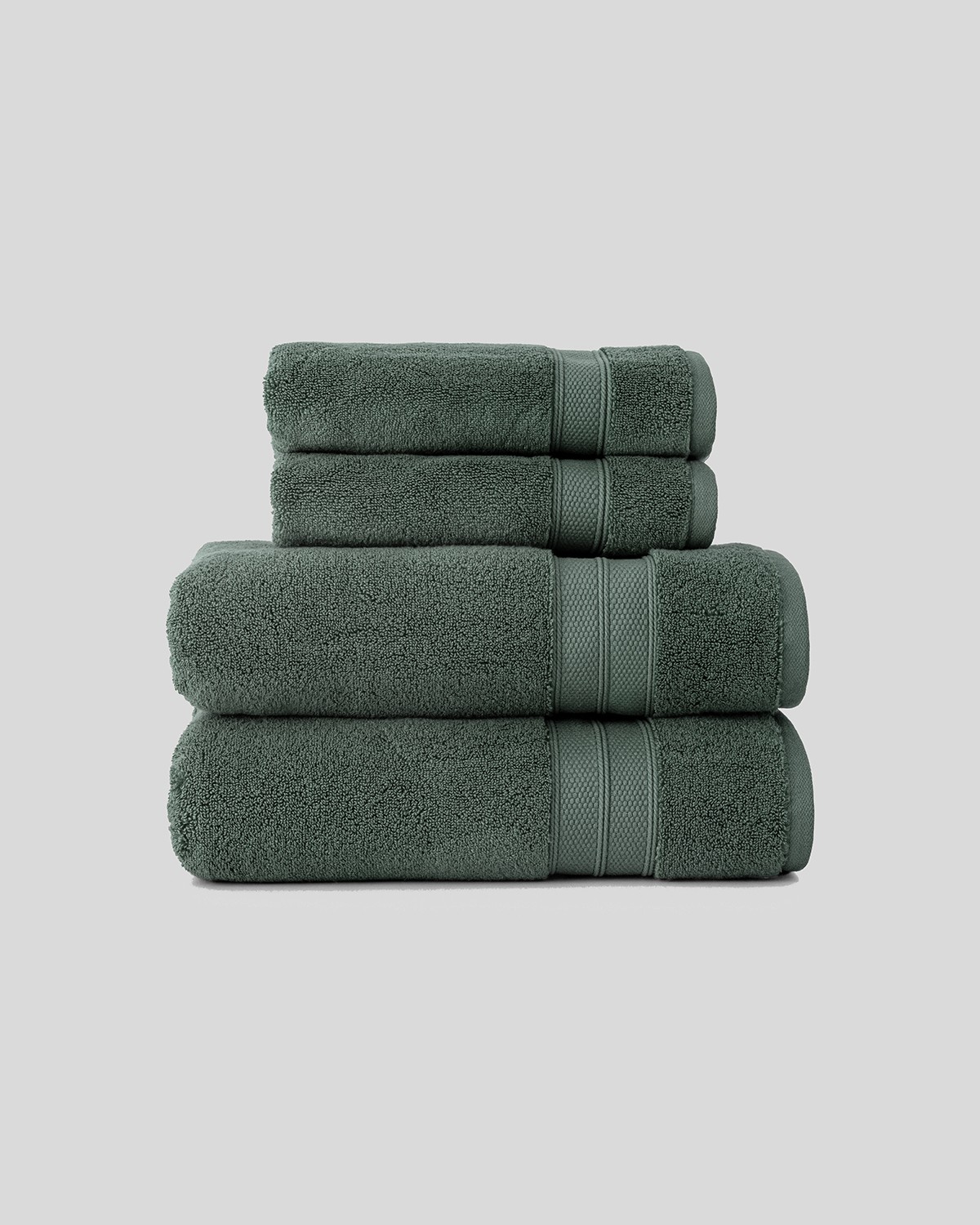
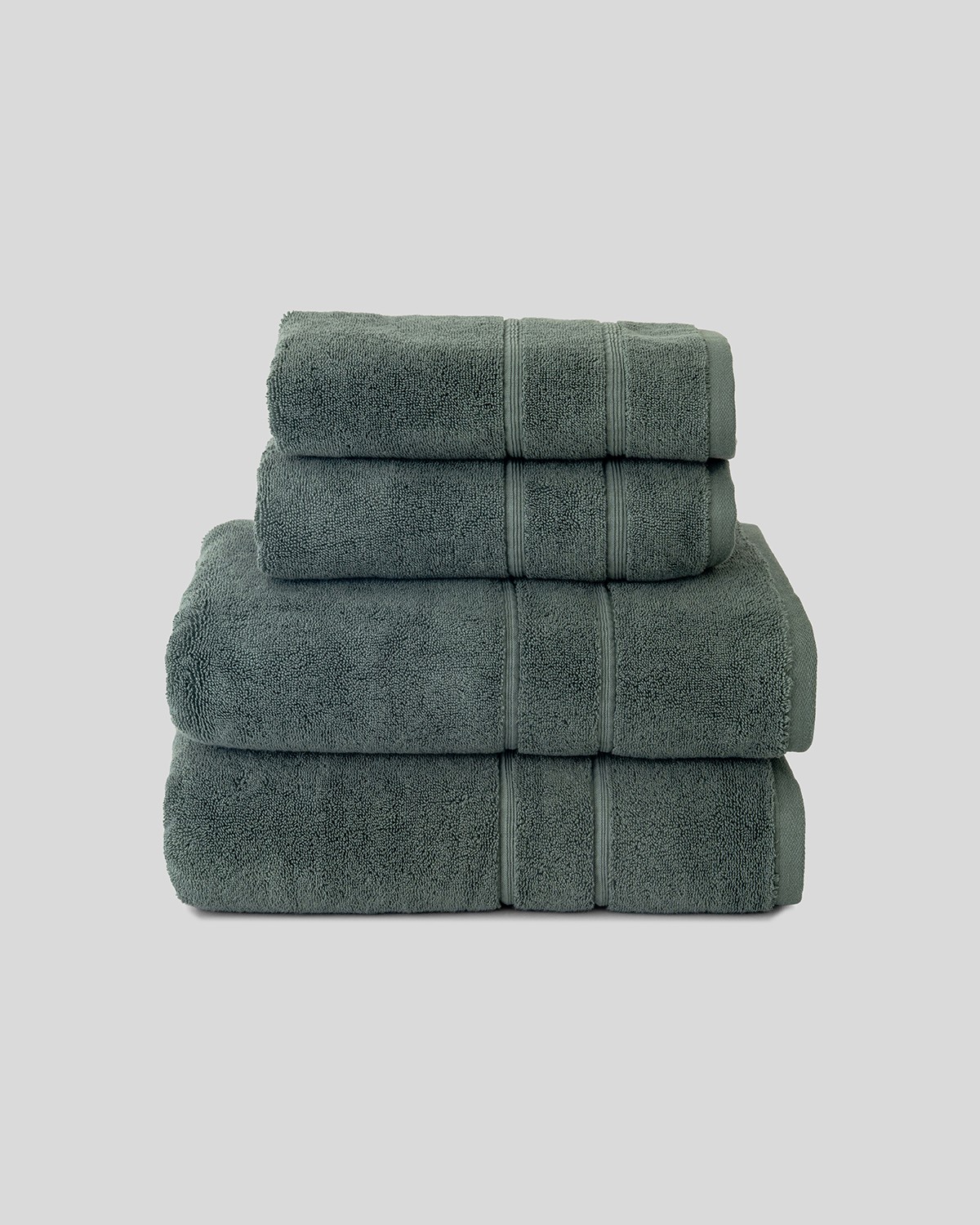
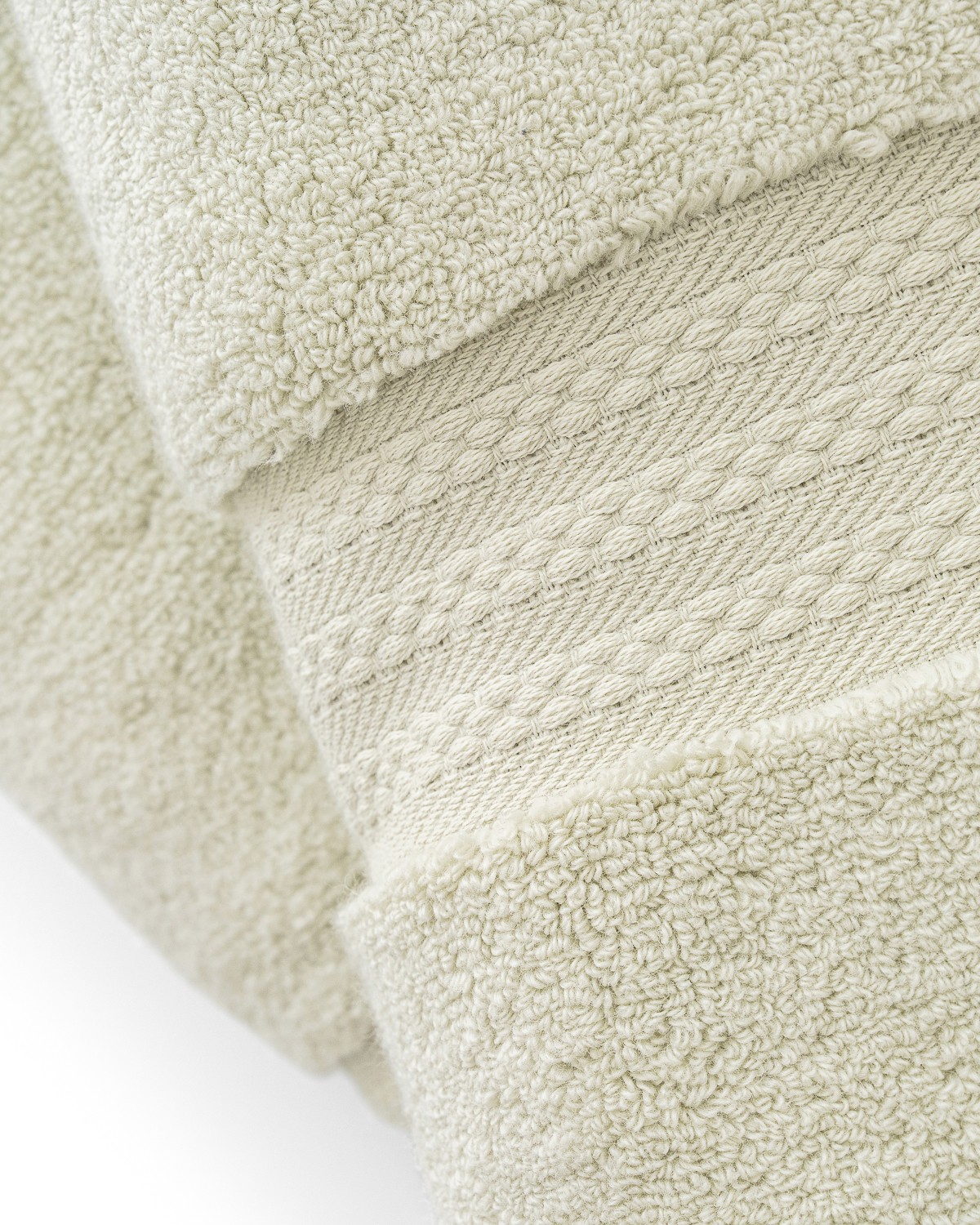
Terry cloth is a type of fabric with small loops on one or both sides. These loops give the fabric absorbency and softness. The length of the loops increases absorbency, while their density enhances softness. It's commonly used for bath towels and bathrobes.
Yes. Whether you call it, terry fabric, terry towelling, towel fabric, terrycloth or simply terry cloth, in daily language you're referring to the same thing: the towel.
Terry cloth is usually made from cotton yarns. However, silk, linen, bamboo, modal, polyester, and other synthetic fibers, and blends of these can also be used.
Cotton, especially Turkish cotton, is the most common choice because cotton fibers are highly absorbent and provide a soft, durable texture.
We're not totally sure where it comes from, but it's thought to be related to the French word "tirer", which means "pull out" or "draw", possibly referring to the process of forming loops during weaving.
While we're on the subject of where its name comes from, let's take a look at its history, too.
The loop-weaving technique was used on handlooms in Turkey, in the late 17th century. In the 1840s, Henry Christy, an English businessman, was so impressed by this technique, and took samples of it back to England (Manchester). Christy and his team adapted the technique for mechanical looms and patented a process for the first mechanised towel production in 1851.
He showed the Queen the towels made with this method at the Great Exhibition of 1851. Queen Victoria was so impressed with the towels that she placed a large order for the palace. Following this royal endorsement, the product became known among the British and European aristocracy as the "Royal Turkish Towel." Terry towels first conquered the bathrooms of the aristocracy, and later those of the middle classes.
They became popular in the United States after World War I.
These days, as the "Turkish towel" is seen as become a symbol of status, prestige, and luxury. It's always had a "Royal" image in the global market.
The word "terry cloth" is used pretty much same meaning as "towel," but "terry" actually refers to a specific manufacturing technique. It's made by loops of yarn onto the plain base fabric, during the weaving process. There are two basic production methods.
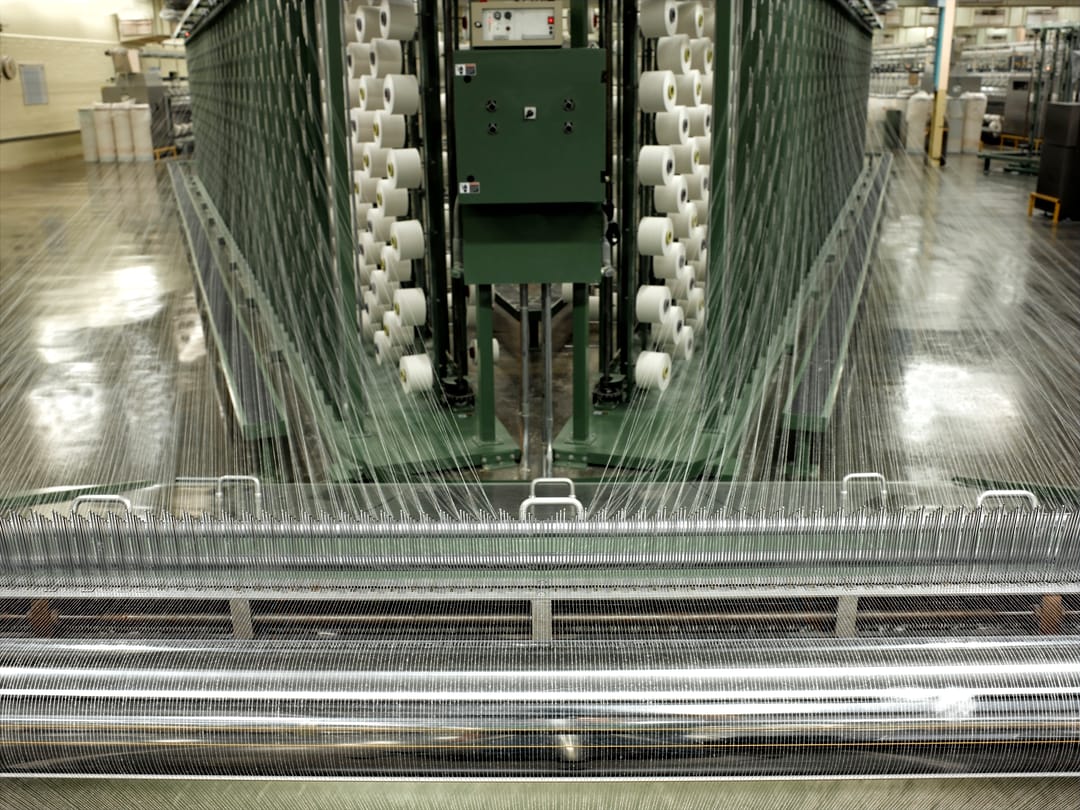
Woven terry is made on looms, with loops are formed on both sides of the fabric during the weaving. These loops make the fabric absorbent, soft, and voluminous. It has a firm and inelastic structure.
Knitted terry, also known as French terry, is made on knitting machines. The inner surface has short loops, while the outer surface is flat and smooth. It's flexible, lightweight, and comfortable.
The weight of fabric is expressed in GSM, which stands for grams per square meter. It gives you an idea of how heavy, thick and dense the fabric is. We hope the table below will be helpful to you.
| GSM | Weight | Common Uses | Characteristics |
|---|---|---|---|
| Under 450 GSM | Lightweight | Hand towels, kitchen towels, sports towels, travel towels | Thin, lightweight, and quick-drying |
| 450-600 GSM | Medium-weight | Everyday bath towels, hand towels, guest towels | Good balance of softness, absorbency, and drying time |
| 600-800 GSM | Heavyweight | Premium bath towels, hotel and spa towels | Thicker, heavier, plusher, and more absorbent |
| 800+ GSM | Extra-heavyweight | Luxury hotel and spa towels, premium bath towels | Extra-thick, highly plush, and luxurious, but takes longer to dry |
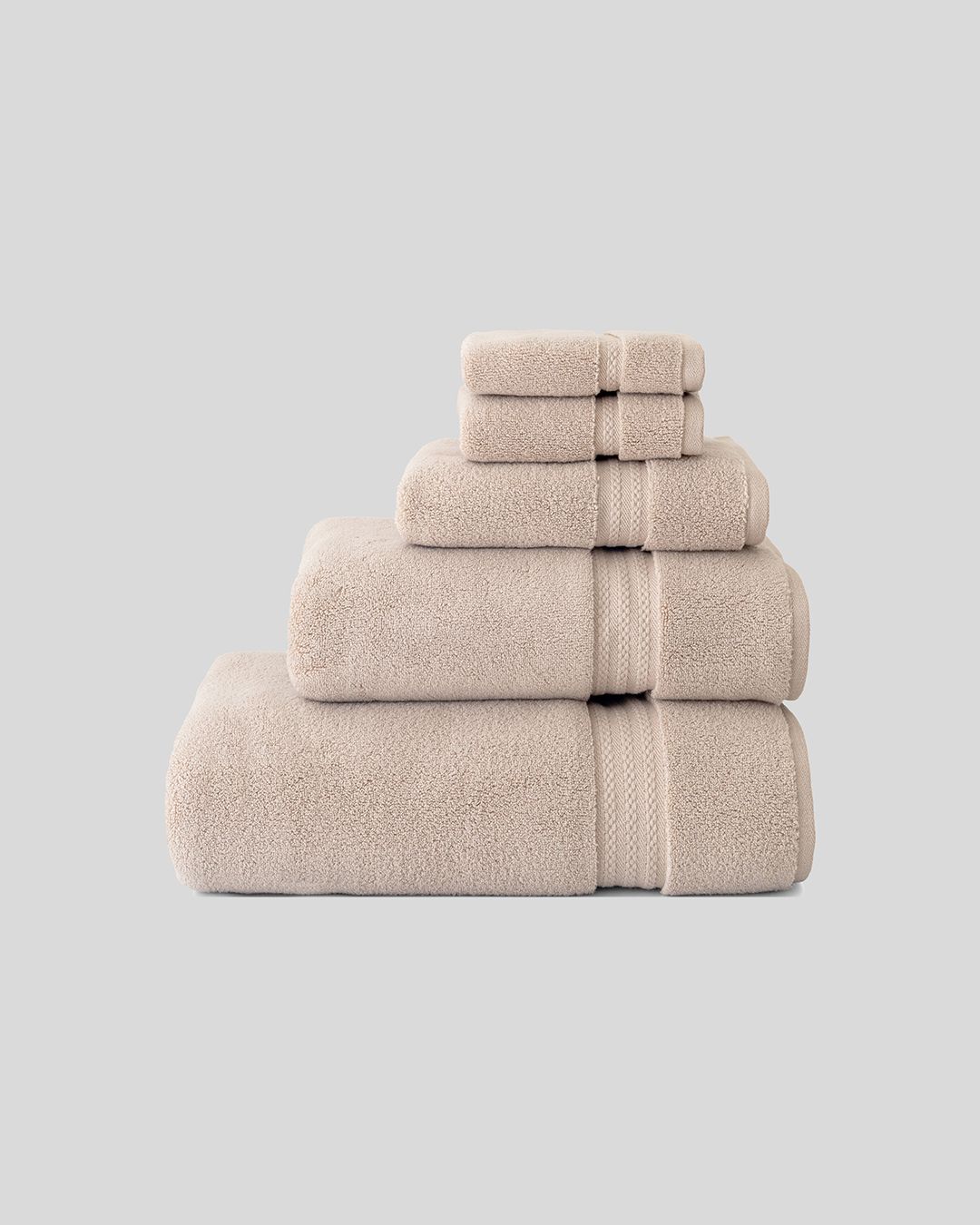
But don't judge a towel by its GSM value. The fiber quality, yarn, weave, and finishing processes are also important.
Types of terry cloth depend on how it's made, the structure of the loops, and surface treatments. There are three main types of terry cloth.
This is the classic type of terry cloth. It's the most traditional and common variety. It's produced using a weaving technique and is usually made from 100% cotton. The fabric has long, uncut loops on both sides. It has high water absorbency and a voluminous texture.
It's generally made from cotton, sometimes blended with elastic fibers, using a knitting technique. The outer surface is completely flat and smooth, while the inner surface has short loops. It's a flexible, breathable, and medium-weight fabric.
Terry velour is woven like standard terry cloth, but its surface looks a little like French terry. The loops on one side are mechanically sheared. So, one side is looped like standard terry cloth, while the other, sheared side has a velvety, lustrous, and extremely soft texture. It looks really luxurious and attractive. It's usually made from cotton or polyester. The velvety surface can be easily printed on.
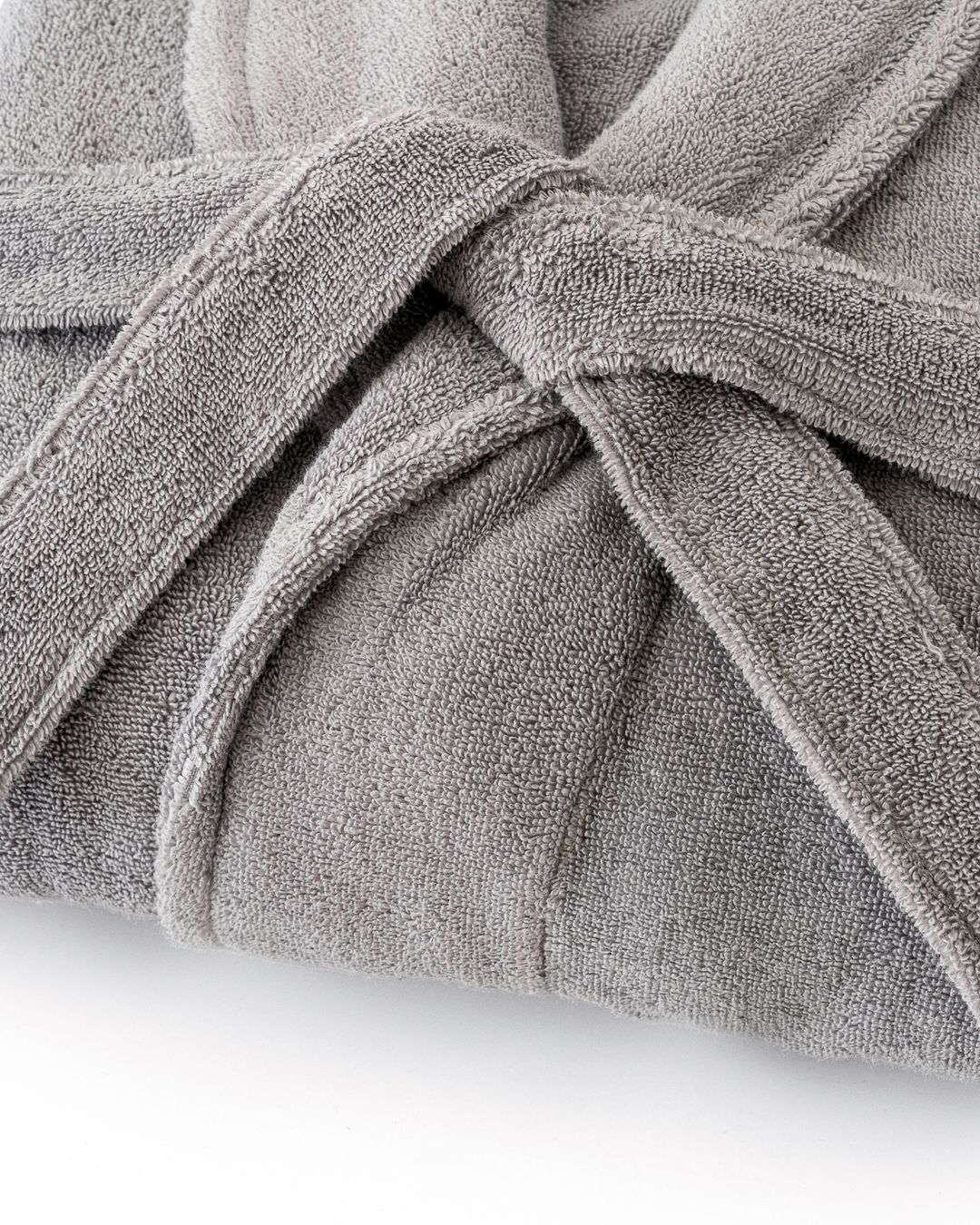
The main difference is how they're made and what they're used for.
Unlike terry cloth, French terry has two dissimilar sides: one side is smooth and flat, and the other has the classic "looped" terry texture. While terry cloth is a water-absorbent woven fabric produced for bathroom and cleaning use, French terry is a thin, flexible, and soft knitted fabric produced for clothing. And French terry isn't a towel fabric.
While regular terry cloth has loops on both sides, velour terry cloth has loops on only one side. While the loops on terry cloth are left totally natural, on velour fabric these loops are mechanically sheared off, which gives the fabric a lovely velvety texture. This is why velour is softer than terry cloth but less absorbent.
| Feature | Terry Cloth (Towel Terry) | French Terry | Terry Velour | Flatwoven / Peshtemal |
|---|---|---|---|---|
| Production Technique | Woven | Knitted | Woven | Woven |
| Surface Texture | Loops on both sides. | Smooth outside, loops inside | Smooth on one side, loops on the other | Flat, smooth, and loop-free. Classic plain-woven fabric. |
| Stretch & Elasticity | Stiff and rigid. Almost no stretch. | Naturally elastic | Very little | Stiff and rigid, no stretch. |
| Absorbency Performance | Very High | Medium | Medium to high | High |
| Most Common Uses | Everyday bath towels, hand towels, kitchen towels, and beach towels. | Sweatshirts, hoodies, sweatpants, shorts, and everyday activewear. | Premium hotel/spa bathrobes, luxury beach towels, baby blankets, | Traditional Turkish peshtemals, beach wraps, lightweight kitchen towels, and lightweight travel towels. |
Terry cloth is mainly used wherever softness and absorbency are needed. Common uses include:
Absolutely. Here's why:
Terry cloth and the Turkish towel are not alternatives to each other.
Terry cloth describes the fabric with a looped pile structure on its surface, but "Turkish towel," refers to a centuries-old tradition of towel weaving and a specific product type.
There's also the peshtemal, which is a traditional Turkish towel. The peshtamal is a thin, lightweight, quick-drying textile product. It is woven but does not have the classic looped structure of terry cloth. So, don't always think of a "Turkish towel" as a terry cloth towel.
Put simply, not all Turkish towels are terry cloth, and not every terry cloth towel is a Turkish towel.
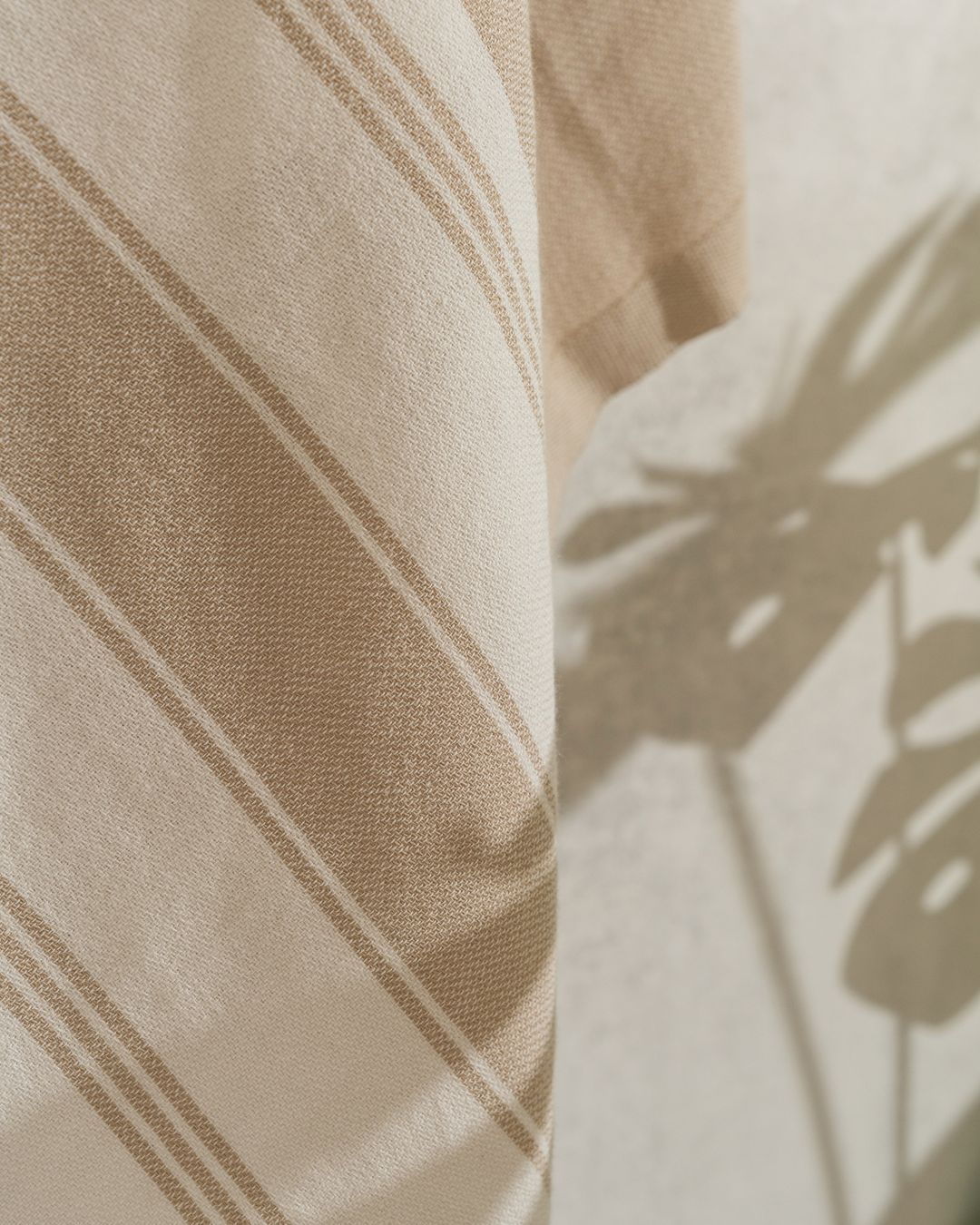
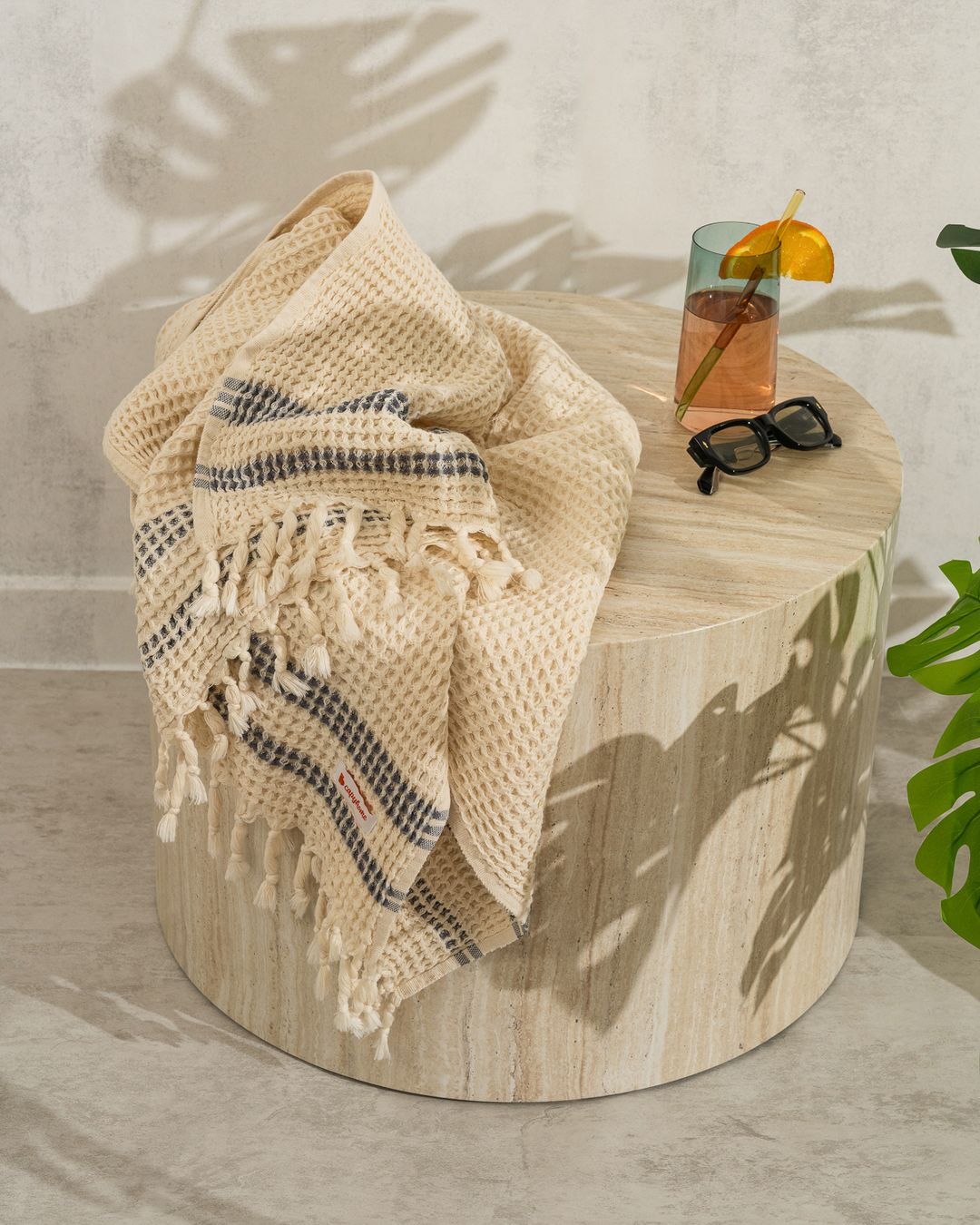
Waffle weave, as the name suggests, is a fabric with distinctive, square and honeycomb-like raised patterns. These raised patterns make the fabric look 3D. It's much lighter and dries faster than terry cloth. The only thing is, it's not as absorbent.
In conclusion, if you are seeking maximum absorbency, thickness, and softness, especially for bath and drying purposes, you should choose terry cloth. But if you're after lightweight, decorative textile products that dry faster, you can opt for waffle weave products.
Terry cloth can be made from cotton, modal, bamboo, polyester, and various fiber blends. It's soft and voluminous. Microfiber, on the other hand, is made from extremely fine fibers, typically made from polyester, polyamide, or a blend of these fibers. It's a lightweight and smooth texture. They both have high absorbency, but microfiber not only traps dirt particles more effectively, but also dries faster.
Considering these characteristics, terry cloth is great for places where comfort and a voluminous texture are important, such as bathrooms and spas; microfiber, on the other hand, is perfect for travel, sports, cleaning, and anything that needs to dry quickly.
You can't just rely on GSM to tell you how good the terry cloth is. It's actually better to look at the fiber, yarn, loop structure, weave density, and finishing processes together.
| Feature | High-Quality Terry Cloth | Low-Quality Terry Cloth |
|---|---|---|
| Fiber | High-quality and suitable for intended purpose | Lower-quality or unsuitable fibers |
| Pile Structure | Even, balanced, and durable | Uneven or sparse |
| GSM | Appropriate for the intended use | May be high or low on its own |
| Softness | More consistent throughout use | May become hard after washing |
| Absorbency | High and consistent | Lower or uneven |
| Loop Durability | Loops hold well | Loops may pull or break easily |
| Stitching | Neat and durable | Loose or uneven |
| After Washing | Retains its shape and performance better | May shrink, pill, or become stiff |
Basically, a good terry cloth is more than just a soft and thick fabric. It's a material that keeps its absorbency, durability and comfort, no matter how many times you wash it.
It's really important to look after your towels if you want them to last and stay soft and absorbent.
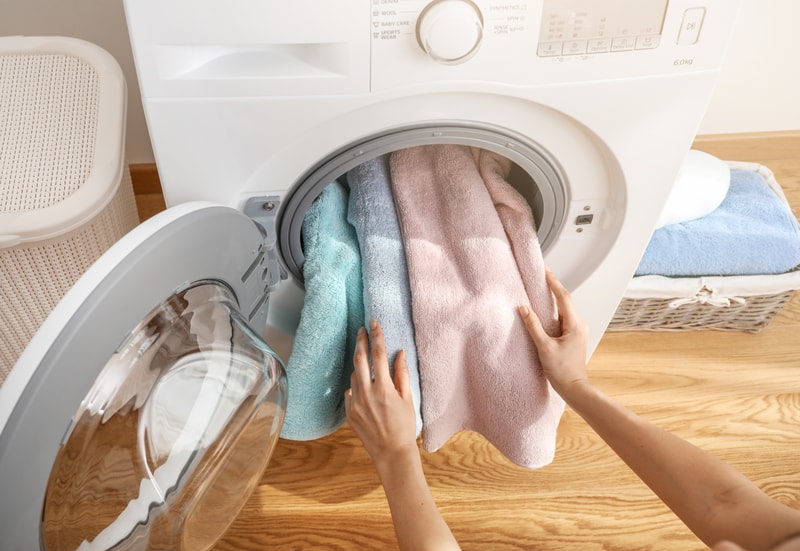
Wash them in lukewarm water, preferably with liquid detergent. Avoid bleach and fabric softener. Remove them from the machine as soon as the wash cycle ends and shake them out while they're still damp. If you're using a tumble dryer, avoid high heat.
If you want more detailed information, check out our article on the topic.
Terry cloth is typically made of cotton but, depending on its intended use, synthetic or modal blends may also be used.
Yes, they are essentially the same. Terry cloth is a fabric commonly used to make towels. It absorbs water thanks to the loops on both sides of the fabric. However, not all towels are made of terry cloth.
The main differences are the surface texture and intended use.
Yes. The loops on its surface make it really absorbent.
It can be, but not always. Since the origins of the towel-weaving technique date back to the Ottoman period and its bathing culture, you could say that Turkish towels are made of terry cloth. But the peshtemal which is known as the traditional Turkish towel, isn't terry cloth.
Products made from 100% cotton may shrink a bit during the first few washes. To minimize shrinkage, avoid high washing and drying temperatures.
Standard terry cloth isn't really suitable for everyday wear. However, it's a summer essential for the beach, pool, or drying off after a swim thanks to its ability to absorb sweat.
"Terry cloth is one of those fabrics that has become an essential part of our daily lives. So it's one of the most popular and practical fabric types worldwide due to its unique properties.
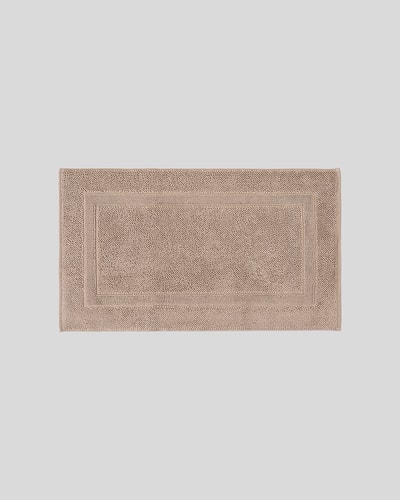
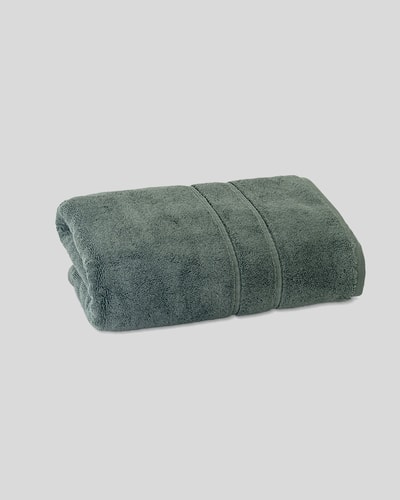
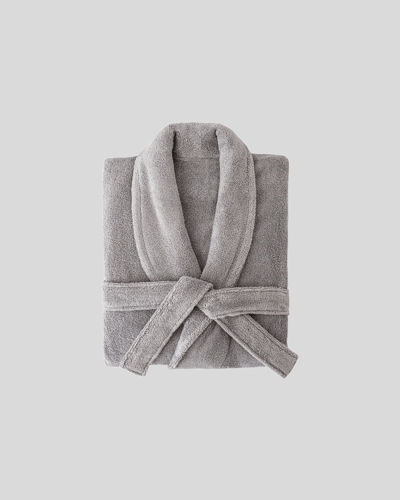
Now that you know a little more about terry cloth, it's time to put that knowledge into practice. At capyhome, our collections of towels, bathrobes, and bathroom textiles are waiting to add a silky touch to your daily life.



Join the capyhome circle for new colors, care notes and early access.