Beach Day Essentials: What to Pack
A pack-it-once list for a full day at the beach, from towels and sun care to snacks and swaps that cut the waste.
A pack-it-once list for a full day at the beach, from towels and sun care to snacks and swaps that cut the waste.
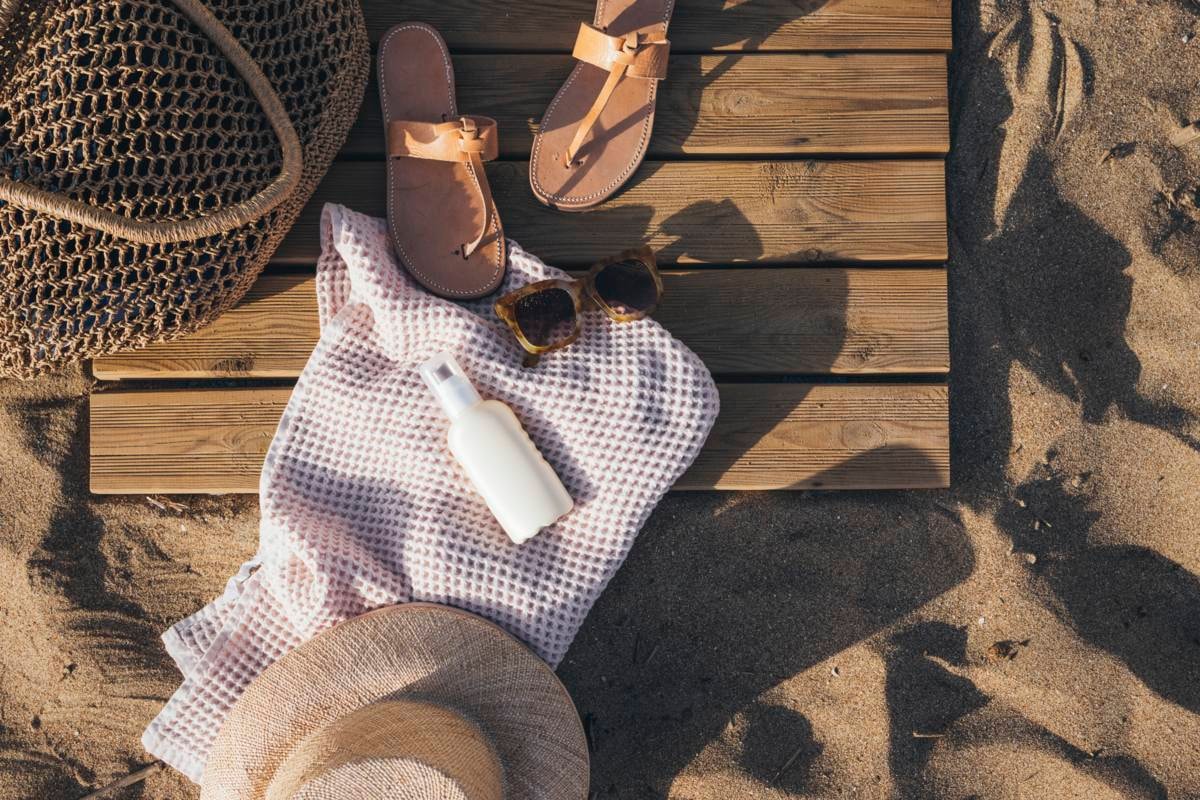
Planning a beach day doesn't have to be a hassle, use this beach day essentials guide and quick beach packing list so you're not scrambling at the last minute and can just enjoy the water.
Before you head out, make sure to check this beach packing list:
Helpful Tip: Prepare your bag the evening before, it helps you avoid the last-minute "I forgot" rush.
If you're wondering what to pack for the beach, the breakdown below keeps it simple.
A towel is the heart of a beach day. It dries you off, claims your spot, and gives you somewhere to stretch out and relax. The fabric you choose makes a big difference in how comfy it feels and how easy it is to pack. The best beach towel for your plans depends on whether you value packability or plush comfort.
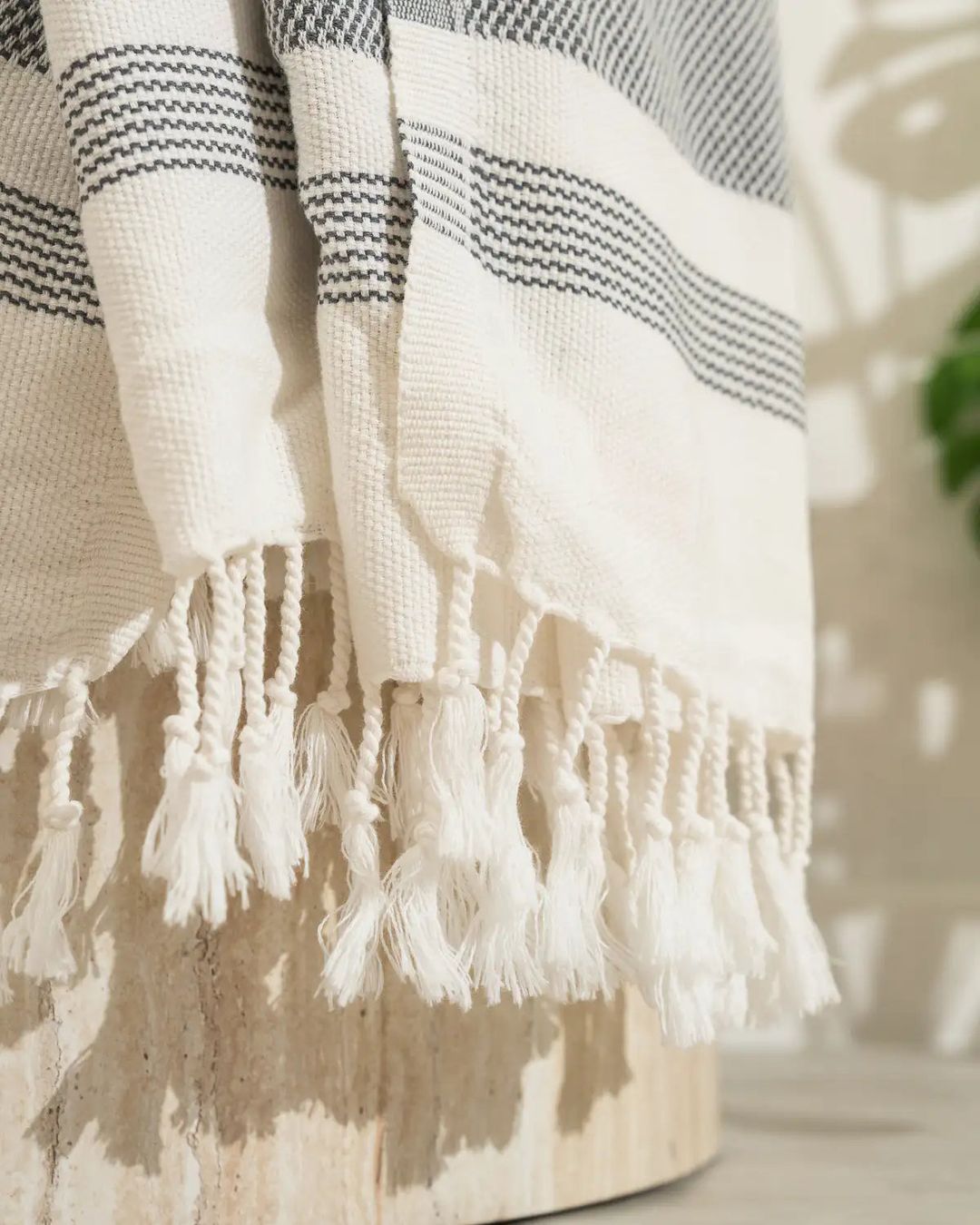
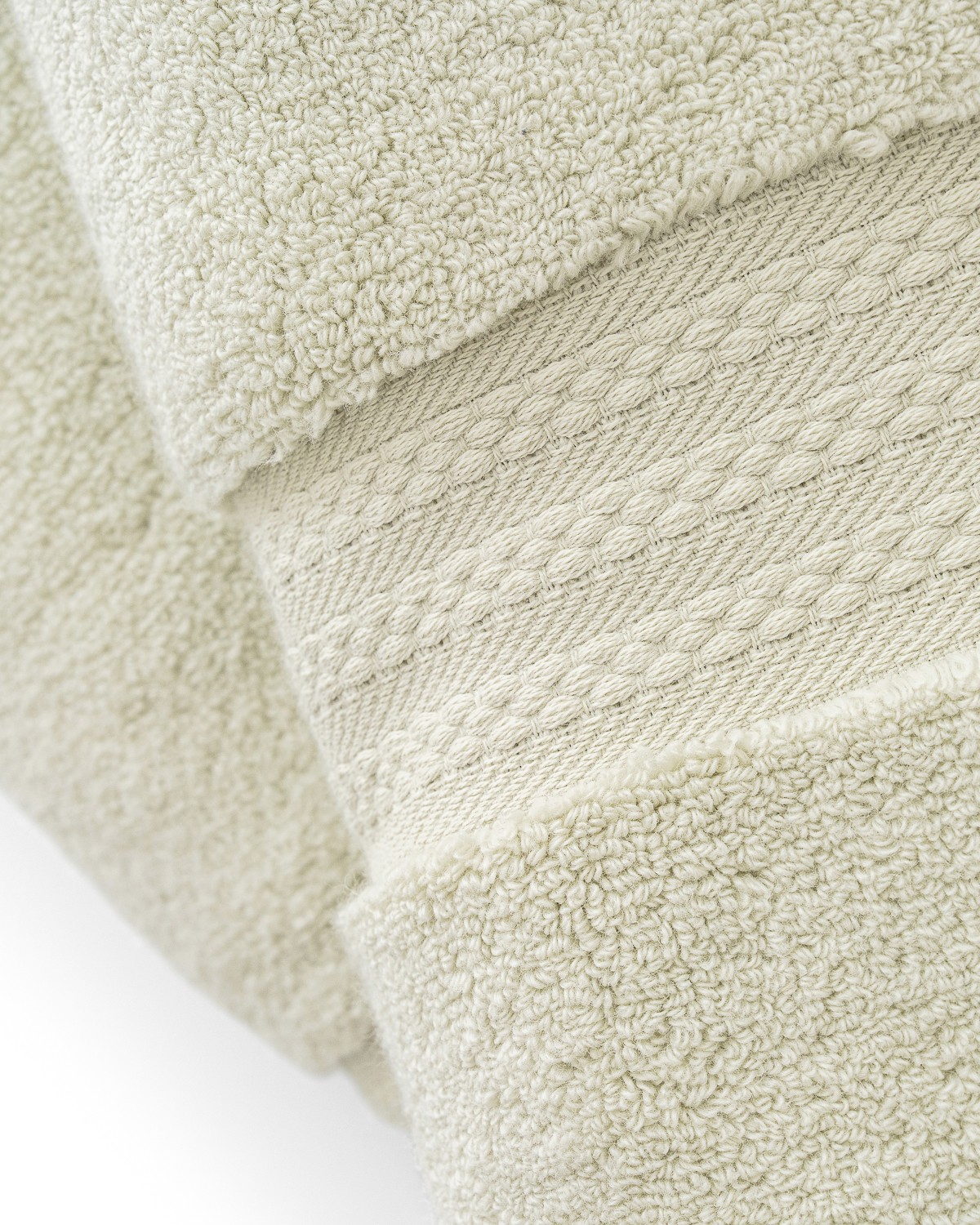
Turkish cotton beach towels are made from long-staple fibers, so the threads are longer than regular cotton. That helps them soak up water really well without feeling thick or heavy. A Turkish towel feels light on wet skin, folds down small for travel, and tends to get softer with every wash instead of wearing out.
The capyhome Ultra-Lightweight towel is OEKO-TEX certified and made in Turkey from long-staple cotton. It's free of chemical finishes and gets even softer over time.
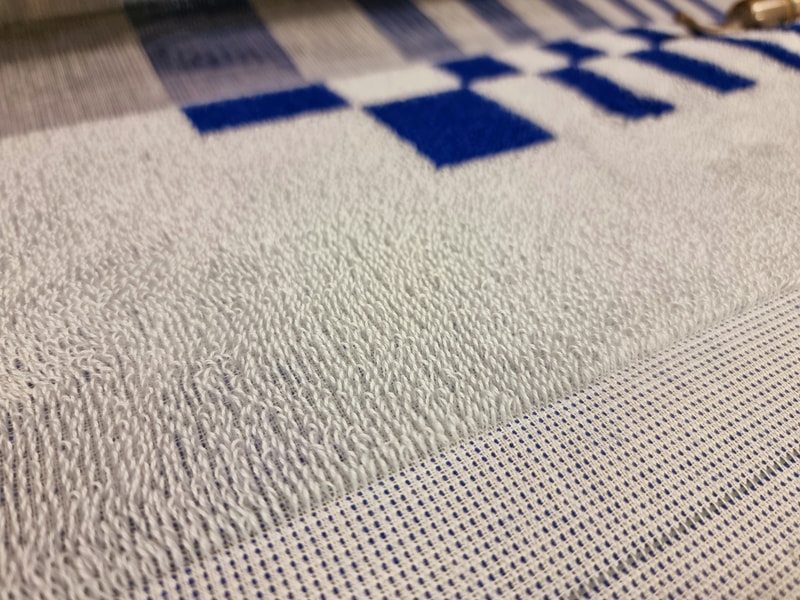
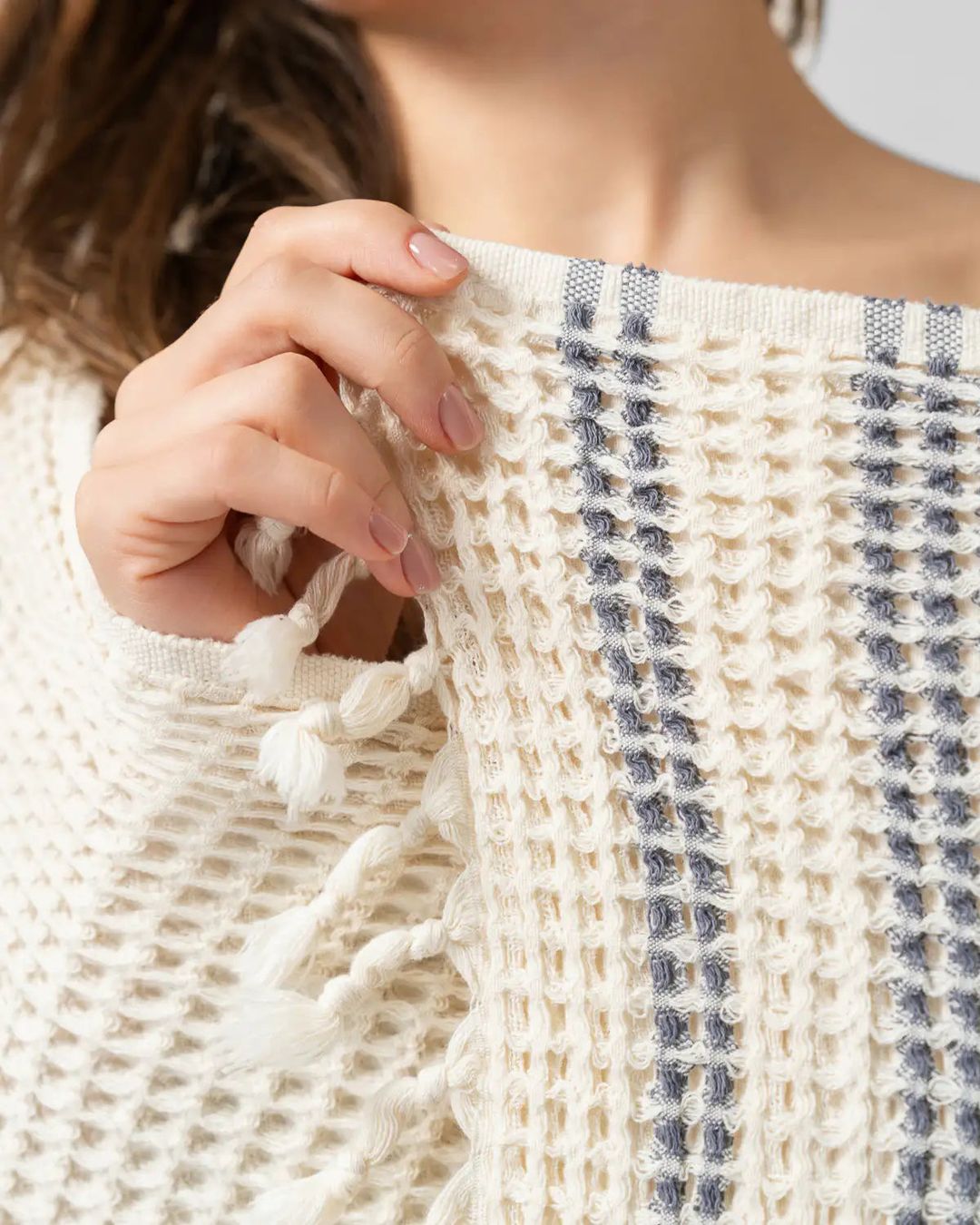
If you care about how a towel feels, a waffle weave beach towel is a great pick. The little honeycomb pockets help it dry quicker between swims and it tends to hold onto less sand than regular terry cloth.
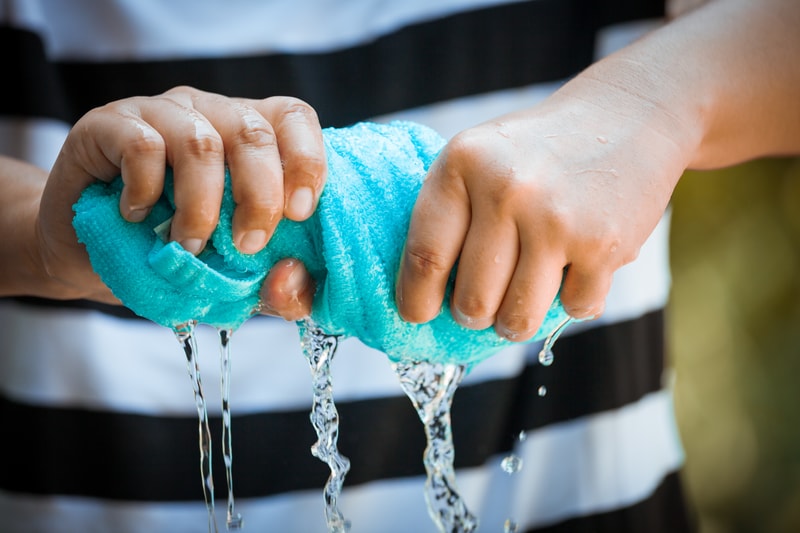
A quick-dry beach towel (usually microfiber) is another solid option. They shake off sand easily, dry way faster than cotton, and fold down small enough to toss in a travel bag. If you buy a good one, it should last you for years.
Water and sand bounce sunlight back at you, it's easy to underestimate how strong the UV exposure really is. Use a broad-spectrum SPF 30+ and reapply about every 90 minutes, or right after you swim. Keep it near the top of your bag so you don't forget.
Choose a beach bag made with waterproof, easy-to-wipe material and zippered pockets to keep your phone and keys secure. Make sure it's roomy enough to fit two large beach towels, a small insulated snack pouch, and a water bottle.
When you pack, use clear zip pouches to stay organized. Put sunscreen in one pouch. Put food in another. This helps prevent leaks from ruining your snacks. Stack the towels on the bottom, and keep the sunscreen on top so you can grab it quickly.
Salt air and strong sunshine can dry you out sooner than you think. Plan for at least a liter of water per person in an insulated, reusable bottle. If it's extra hot or you'll be moving a lot, toss in an electrolyte mix to help replace what you sweat out.
For snacks, bring easy beach-friendly options like fruit, nuts, or energy bars that won't turn into a sandy mess. A small soft cooler helps keep everything fresh. Avoid alcohol while in direct sun, as it increases dehydration.
Turn your good day into a great day with the right beach accessories:
If you're traveling with kids, pack a few sand toys, rash guards, floaties, and an extra bag to toss wet clothes into.
If you're planning to do more than just relax on the sand, it helps to pack with that in mind.
Keeping our coastline clean helps ensure our favorite beaches stay beautiful and worth visiting. A few small changes can make a big difference. Check out Save The Reef for more on protecting marine ecosystems, and start with the list below:
Before you leave, do a quick check and take home everything you brought.
Pack your bag before bed so you don't forget essentials in a rush.
Pack the essentials, sunscreen, water, and a solid towel, and you'll be good to go.
If you're traveling, a compact quick-dry towel that doesn't hold onto sand is a smart pick. For relaxing on the beach, Turkish cotton is a favorite. It is lightweight, very absorbent, and gets softer with each wash. A waffle-weave towel is another great option if you want something that dries fast and feels nice between swims.
Explore the capyhome collection of lightweight, multipurpose beach towels and find the one you'll love bringing on your next summer adventure.
How do I choose the right beach towel?
Match it to how you use it. If you're traveling, go with a compact, quick-dry towel that won't hold onto sand and can pack down small. If you're more into lounging, Turkish cotton is a great pick, it's lightweight, super absorbent thanks to its long fibers, and it actually gets softer with every wash instead of turning scratchy. For something that dries fast and feels nice between swims, a waffle-weave towel is hard to beat. The honeycomb texture helps it dry quickly and shake off sand easily. Whatever you choose, avoid thin towels that start to pill after the first wash.
How much sun protection do I need at the beach?
Water and sand reflect sunlight, so UV exposure can feel milder than it is. Use a broad-spectrum SPF 30+ sunscreen, plus an SPF lip balm. Wear a wide-brim hat and UV-blocking sunglasses, and reapply sunscreen every 90 minutes, or right after you swim. Water droplets left on your skin after a swim can reflect and concentrate sunlight, increasing UV exposure.
What should I look for in a beach bag?
Select a waterproof bag with wipe-clean surfaces and zippered compartments for your phone and keys. Make sure it can hold two big beach towels, a small insulated snack pouch, and a water bottle. Use clear zip pouches to keep everything organized, put sunscreen in one and snacks in another so nothing leaks onto your food. Pack the towels on the bottom, and keep the sunscreen on top so you can grab it quickly whenever you need it.
How much water and what snacks should I bring?
Each person should bring at least one liter of water in an insulated, reusable bottle. On really hot days or when you're moving a lot, bring an electrolyte mix to help replace what you sweat out. For snacks, pack fruit, nuts, or energy bars that won't end up full of sand, and use a small soft cooler to keep everything fresh. Avoid alcohol while in direct sun as it increases dehydration.
What eco-friendly swaps make a real difference?
Use reef-safe sunscreen without oxybenzone or octinoxate. Bring silicone food wraps instead of plastic bags. Switch to a beach mat made from natural fibers like jute or cotton, and bring along reusable water bottles and food containers. Before you leave, do a quick check and take home everything you brought.



Join the capyhome circle for new colors, care notes and early access.