Micromodal: Eco-Friendly or Toxic Material?
How micromodal is made, whether it is safe for your skin, and how it compares to cotton and polyester.
How micromodal is made, whether it is safe for your skin, and how it compares to cotton and polyester.
Fabrics are an essential part of the textile industry and have a big impact on both human health and the environment.
Modal fabric has been in use since the 1950's and is known for its unique qualities. That's why more and more people are becoming curious about this fabric.
Is micromodal toxic? Is modal really a safe option? How is it made? What's the difference between micromodal and natural fabrics?... These and similar questions are on everyone's mind.
So, is it wrong to wonder about these things? Of course not.
Let's find the answers to these questions and more:
Modal fabric is a semi-synthetic fabric made from beech tree pulp, and known for its softness. The cellulose is processed into fibers, then spun into yarn, which is used to make fabric.
Micromodal is a much finer and softer version, made through the same process. Thanks to the fineness of its fibres, it has a smooth surface. It is lightweight, drapey, and flexible.
For this reason, while modal fabric is used in home textiles, micromodal fabric is preferred more often for underwear.
Since modal fabrics are made from naturally sourced cellulose, they are durable. However, given the production processes they undergo, they are not classified as entirely natural fabrics.
Beech trees do not turn into soft fibers on their own. They go through many stages before they turn into fabric from trees.
First of all, the raw material (beech trees) is harvested from European forests that are managed sustainably. After the trees have been cut down, the bark is removed, and the trees are turned into small wood chips. The wood is softened with chemicals and made into cellulose pulp.
The pulp is passed through various chemical processes to create a liquid solution. This solution is poured through small holes to form long, thin, and fine filaments. Then the filaments are put into a chemical bath. This makes them solid and turns them into very fine fibres that look like hair. When the rest of the chemicals have been washed out and the fibres have been dried, the clean micromodal fibers are ready.
Micromodal fibers are made into yarn using a spinning machine. At the end of the process, the fabric is washed, dyed, softened, and made ready for use.
The dyeing process can also be done while the yarn is still raw.
If desired, micromodal can be blended with cotton, spandex, or other fibers at the yarn stage. When blended with cotton, modal takes on a more natural and balanced texture; when blended with spandex, it becomes more elastic; and when blended with fibers like polyester, it gains greater durability. But you shouldn't forget about the environmental impact of spandex and polyester.
Cotton and modal are a great combo, especially when they're blended together. The natural feel of cotton and the super soft and drapey feel of modal. This creates a unique and perfect blend that are natural, soothing, and gentle on the skin.
No. Micromodal itself is non-toxic. However, production methods may introduce potentially harmful substances.
During the manufacturing process, chemicals such as carbon disulfide, sulfuric acid, and sodium hydroxide are used. But if the fabric is properly manufactured and washed thoroughly, no residues remain. The toxic risk linked to micromodal is thought to be very low.
The main thing to think about here is how it's made, and whether any chemicals are being controlled properly during production. So, it's best to go for products with the Oeko-Tex Standard 100 certification, as it tests for harmful substances and residues.
| Fabric Type | Source | Toxicity Level | Eco-Friendliness | Safety for Skin |
|---|---|---|---|---|
| Modal / Micromodal | Beech Tree Pulp | Low (especially Lenzing) | High | Very Safe |
| Cotton (Conventional) | Cotton Plant | Medium (pesticides, dyes) | Medium | Safe if untreated |
| Polyester | Petroleum-based | High (microplastics, chemical dyes) | Low | May cause irritation |
| Acrylic | Petroleum-based | Very High (acrylonitrile, carcinogens) | Very Low | May cause irritation |
| Rayon/Viscose | Wood Pulp | Moderate to High | Medium | Safe with proper washing |
| Organic Cotton/Hemp/Linen | Natural Plant Fibers | Very Low | Very High | Safest |
Modal fabric is not toxic by nature. The main worry about how toxic it is comes from the production process.
So, the answer to the question "Is modal fabric toxic?" depends on which system was used to produce it.
What do you think? When we compare a product made from wood cellulose with one derived from petroleum, in terms of toxic risk, I don't think the result will surprise any of us.
While modal is made from natural cellulose, polyester is a petroleum-based synthetic fiber.
When produced using a closed-loop system, the toxic risk linked to modal is nearly zero. It has a breathable and biodegradable structure.
Polyester, on the other hand, releases harmful chemicals into the air and water during the production process. It's durable and resilient, but it doesn't breathe. It traps heat and moisture against the skin, which leads to odor and irritation. Additionally, it is not biodegradable. The thing is, it sheds microplastics with every wash. This is one of the main causes of ocean pollution.
In conclusion, modal is not toxic like polyester.
Beech wood, the raw material for modal, comes from forests that have been approved by the FSC or PEFC. This production process uses significantly less water than cotton production. And closed-loop production recovers most chemicals and minimizes emissions.
Since micromodal is a natural cellulose fiber, it's biodegradable, compostable, and recyclable at the end of its life cycle. This makes it even more eco-friendly. It's a great choice for both skin care and sustainability.
Properly manufactured micromodal fabric is non-toxic. In fact, it is marketed as a healthy and eco-friendly option.
Modal is not toxic. But, to be sure, it's a good idea to check the product's certifications. These certifications inform you about the product.
Lenzing Modal® (Branded Fiber) Lenzing is a company, not a certification, but Lenzing-branded Modal® fiber comes with solid guarantees. When you see a label that says "Lenzing Modal®," it means you are buying fiber from a specific, traceable source that adheres to high environmental standards throughout its production process. Lots of fabrics made with Lenzing Modal® also have the OEKO-TEX® or GOTS label which is a perfect combination.
Micromodal feels like silk against the skin. It has an incredibly soft, almost silky texture. It's also breathable and moisture-wicking. These properties make it an excellent choice for sensitive and allergy-prone skin. If you have any doubts about a product, make sure you use a certified one.

The most popular sustainable fabric options are:
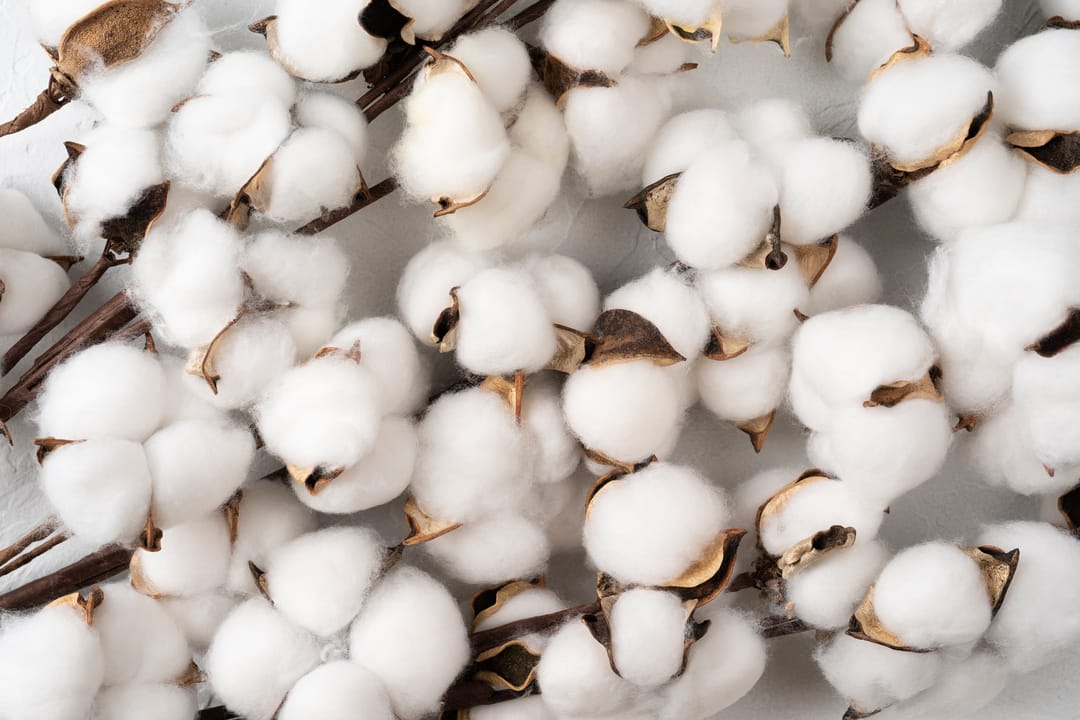
Organic cotton is grown naturally without pesticides or chemical fertilizers. It is gentle on the skin and the environment. The fabric is breathable, soft, biodegradable, and causes fewer allergic reactions than conventional cotton.
GOTS-certified organic cotton means that no toxic materials are used during production. It's one of the safest fabrics for everyday use.
It's made from processed bamboo plants. When produced in a closed-loop system, it generate in minimal waste. It feels amazingly soft and flows like modal.
It doesn't need pesticide or much water, and grows quickly. It is breathable. It's strong, durable, and hypoallergenic. It is perfect for everyday use. It protects against the sun's rays.
It doesn't need much water or chemicals. The entire flax plant is used during production, so nothing goes to waste. It breathes better than almost any other fabric and keeps the body cool in hot weather. It is hypoallergenic. It gets softer with each wash.
| Fabric Type | Toxicity (Production Process) | Sustainability | Skin Safety (Allergies/Sensitivity) |
|---|---|---|---|
| Modal / Micromodal (Lenzing / TENCEL™) | Low (especially Lenzing) | High | Very Safe |
| Organic Cotton | Very Low | Very High | Safest |
| Bamboo (Viscose) | Low (Closed-loop) | High | Good |
| Hemp | Very Low | Highest | Excellent |
| Linen | Very Low | Highest | Excellent |
Micromodal fabric itself is not toxic. Toxicity depends on the quality of production.
If you're looking for a soft, breathable, and skin-friendly fabric, certified micromodal is an excellent option.
Here's the deal: Knowing how fabric is made helps us make the right choices. And when we make informed choices, it makes a big difference for ourselves and the world.
No. Certified micromodal produced according to modern environmental and safety standards is not toxic.
Yes, certified modal or micromodal fabrics that do not contain harmful dyes or finishes are generally safe for babies due to their softness and breathability.
Look for products certified under OEKO-TEX Standard 100, bluesign, GOTS (where applicable), and FSC.



Join the capyhome circle for new colors, care notes and early access.