Turkish Cotton vs. Egyptian Cotton: Which Is Actually Better?
Fiber length, absorbency, drying speed, durability, and price, compared honestly.
Fiber length, absorbency, drying speed, durability, and price, compared honestly.
Although Turkish cotton and Egyptian cotton are similar in many ways, such as softness and durability, each has its own unique qualities that appeal to different tastes. So, when choosing between Turkish cotton and Egyptian cotton, it's better to ask which one is better for you, rather than which one is 'better'.
If you want your bedding to be super soft and absorbent, Egyptian cotton is the ideal choice; but if you need something lightweight and quick-drying, such as bath, sports, or beach towels, Turkish cotton products are a more practical option.
Of course, once you're familiar with these types of cotton, making a decision will be much easier.
Turkish cotton is a high-quality type of cotton that is especially grown in Turkey's Aegean region. Turkish cotton is great for making strong, durable, breathable, soft, absorbent, and long-lasting fabrics.
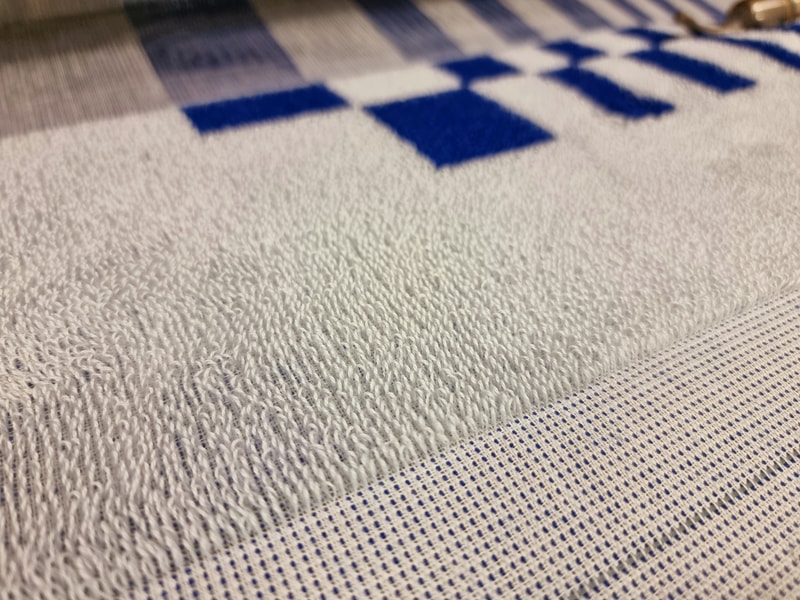
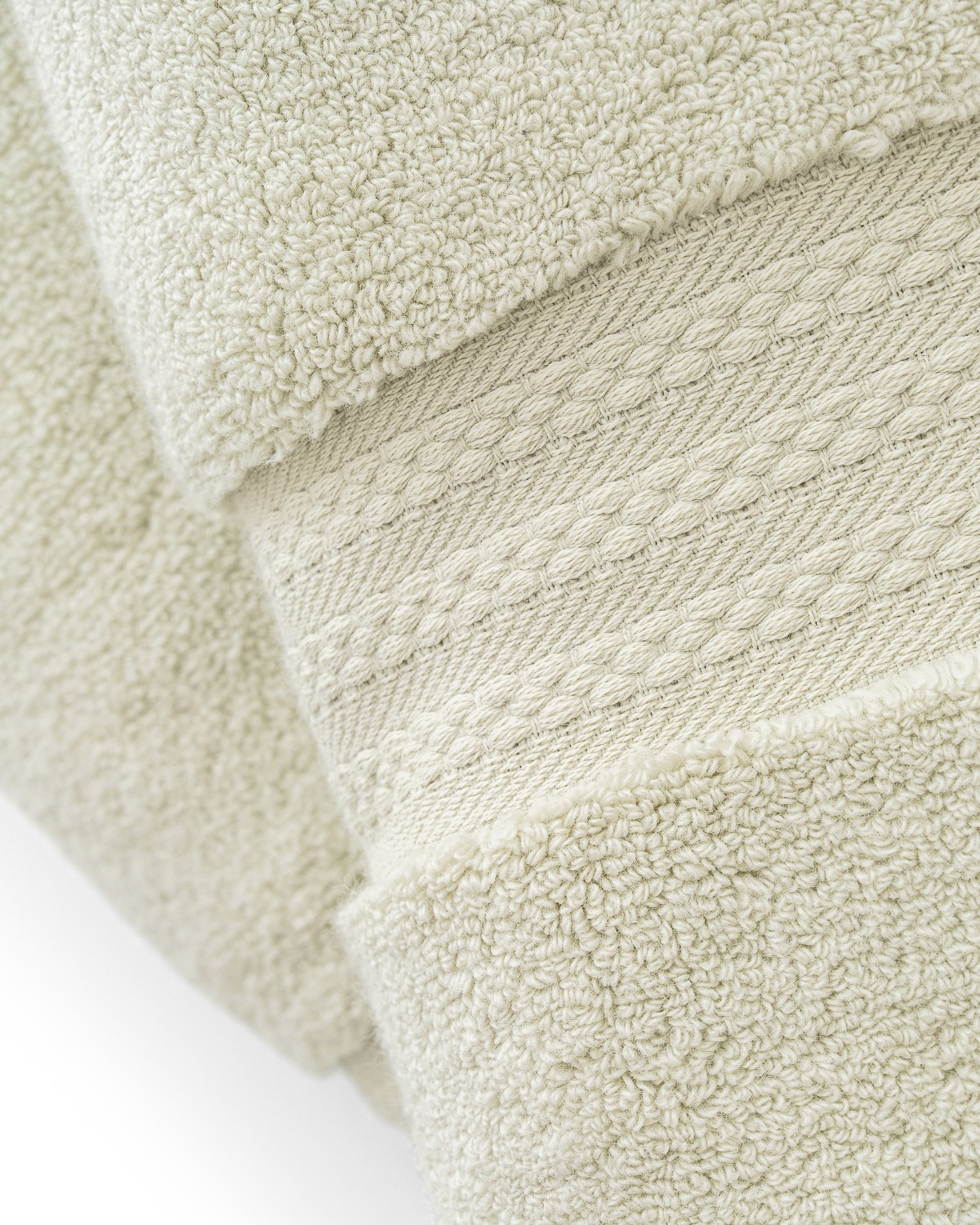
Well, the most important thing about Turkish cotton is that it's got a long-fiber structure. This results in soft and durable products It absorbs moisture efficiently and dries quickly, which prevents unpleasant odors and mold. It's lightweight and breathable, too.
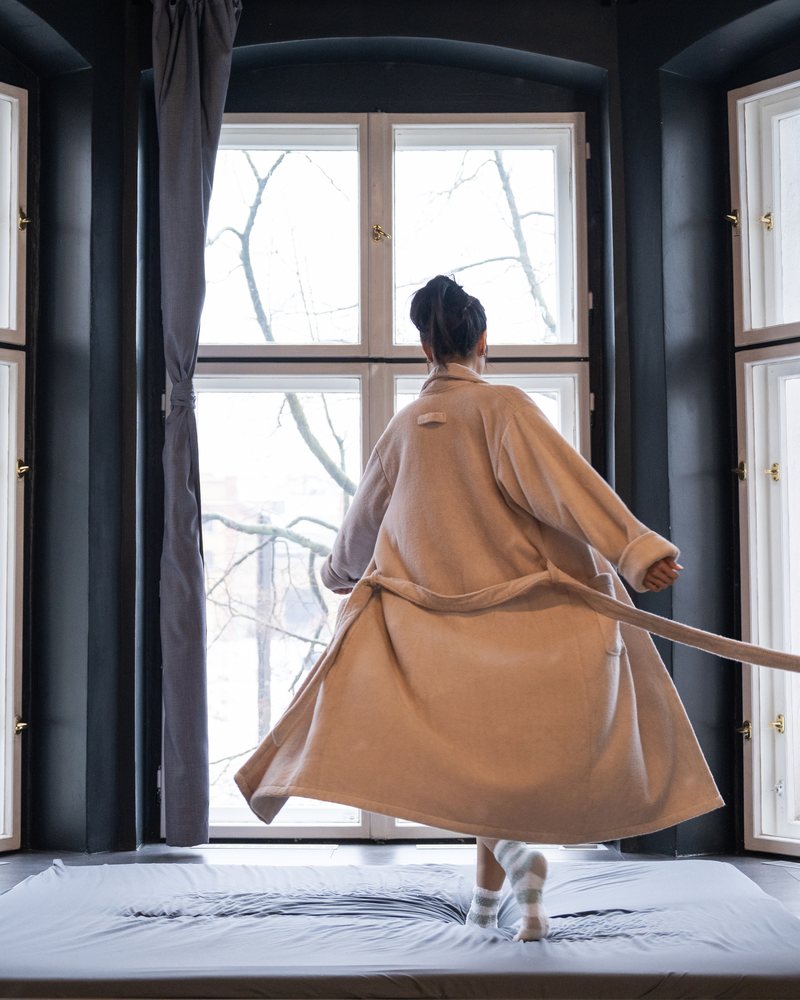
Thanks to all these characteristics, Turkish cotton is often used to make high-quality towels, bathrobes, pestemals, beach towels, and other home textiles that feel amazing.
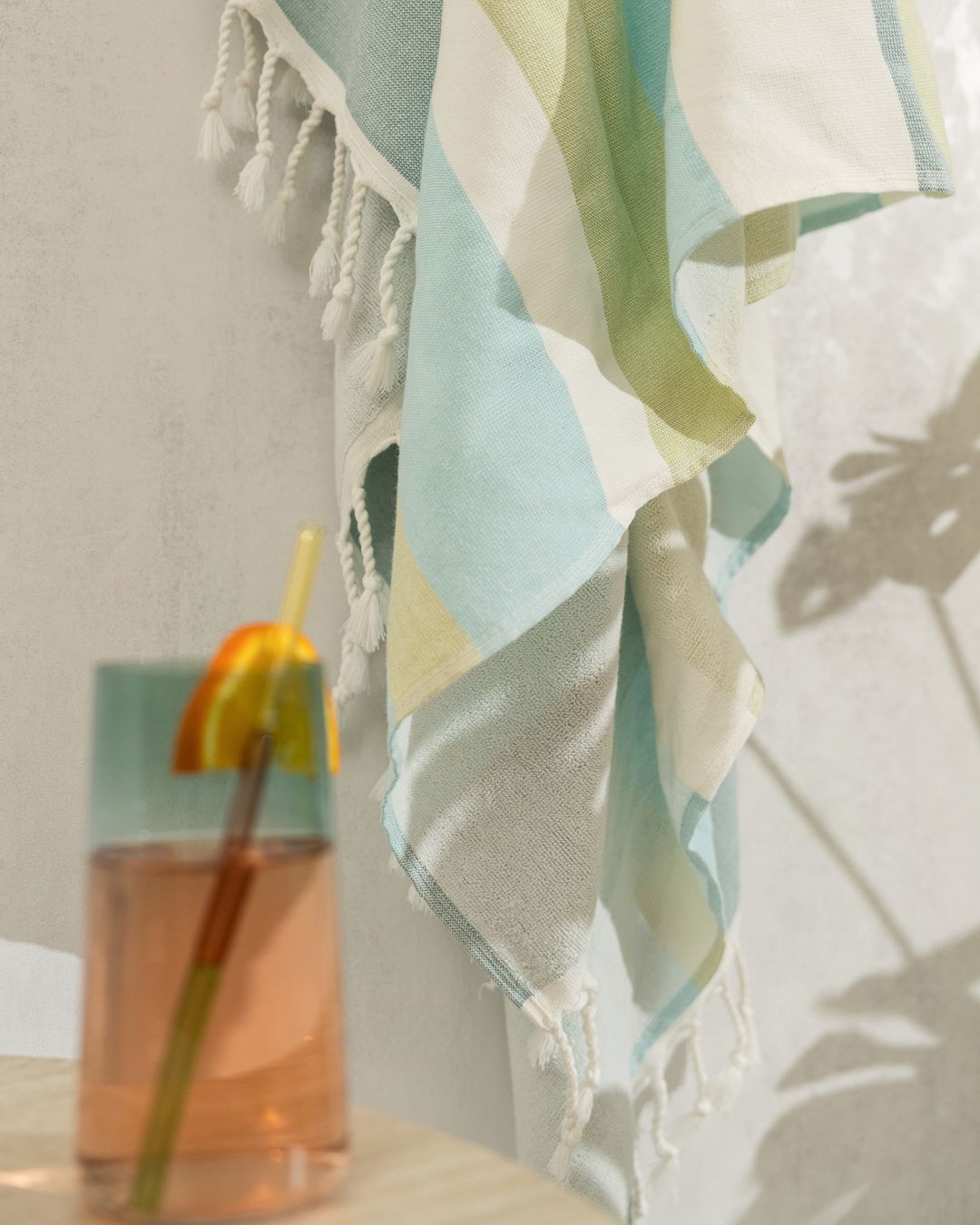
Basically, it's the go-to choice for those who love long-lasting comfort.
Egyptian cotton is also known as the "king of cottons" and is one of the highest-quality cottons in the world. The Nile River Valley is perfect for growing cotton: consistent humidity, nutrient-rich soil, and lots of sunlight. These fibers make it possible to produce fabrics that are ultra-smooth, silky-soft, and voluminous.
Today, a large portion of the world's luxury textile products are made from Egyptian cotton.
Since Egyptian cotton is seen as a luxury fabric, it's not surprising that mislabelled products are often found in the market. Some manufacturers sell products labeled as "Egyptian cotton" even though they contain very little or no Egyptian cotton at all. The best way to tell if a product is real or mixed with other materials is to check if it's got a certificate from the Cotton Egypt Association.
| Feature | Turkish Cotton | Egyptian Cotton |
|---|---|---|
| Fiber Type | Long-Staple Cotton | Extra-Long Staple (ELS) Cotton |
| Absorbency | High absorbency | Extremely high absorbency |
| Drying Time | Dries quickly | Dries more slowly due to higher moisture retention |
| Durability | Highly durable and resistant to wear and pilling | Very durable with proper care |
| Feel | Soft and smooth; becomes softer with each wash | Exceptionally silky, plush, and luxurious from the start |
| Main Advantage | Lightweight, fast-drying, and durable | Superior softness and luxurious comfort |
| Best For | Bath towels, robes, pestemals, beach towels | Luxury bedding, premium towels, hotel linens |
Now let's take a closer look at these characteristics.
Actually, the term "Egyptian cotton" is a general name for many Giza varieties. These are sorted into different groups depending on their fiber lengths and how they're used. Giza is denoted by a number alongside it. Giza 45 is one of the longest-fibred cotton varieties in the world. The most well-known types are listed below.
| Cotton Variety | Fiber Class | Average Fiber Length | Characteristics & Common Uses |
|---|---|---|---|
| Giza 45 | Extra-Long Staple (ELS) | 38-42 mm | The "Queen of Cotton." The finest, longest, smoothest, and rarest Egyptian cotton. Used for luxury shirts and premium bedding. |
| Giza 87, Giza 88 | Extra-Long Staple (ELS) | 36-40 mm | Exceptional softness, high-quality yarn, silky texture. Ideal for luxury apparel and home textiles. |
| Giza 92, Giza 93, Giza 96 | Extra-Long Staple (ELS) | 35-38 mm | Premium quality, excellent durability, and softness. Used for premium home textiles and fine fabrics. |
| Giza 86, Giza 94, Giza 95 | Long Staple (LS) | 32-35 mm | Strong, high-quality fibers with excellent durability. Commonly used for towels, bathrobes, and home textiles. |
Turkish cotton, especially the Aegean variety with a geographical indication, is usually long-staple cotton. The average fibre length is 30-35 mm. In terms of both fiber length and intended use, it is most like the Giza 86 (the closest match), Giza 94, and Giza 95 varieties.
The general rule is: The longer the fiber, the finer, stronger, and silkier the fabric becomes. Given this criterion, high-quality Egyptian cotton may have a slight edge.
Both types of cotton have high absorbency. However, their characteristics are different.
Products made from Egyptian cotton are really absorbent because of their dense weave, so they can feel heavy when damp and can take longer to dry.
Turkish cotton products, on the other hand, efficiently absorb moisture and dry quickly. But you'll really notice the difference over time. The more you wash them, the more they soak up. In other words, their absorbency increases without losing their quick-drying property. This makes products made from Turkish cotton an ideal choice for daily use and travel.
If absorbency and ease of use are important to you, Turkish towels are a great choice.
Drying speed is an important criterion to consider, but it is often ignored, especially when it comes to towels.
Egyptian cotton is really absorbent, but because it's a dense weave, it takes longer to dry.
In contrast, fabric made from Turkish cotton dries more quickly because of how it's made, which means it's less likely to get moldy or unpleasant odors.
If you're dealing with a damp bathroom or a towel used several times a day, you should definitely choose towels made from Turkish cotton.
Both types of cotton get better over time, but they do so in different ways because of their distinct characteristics. With proper maintenance, it can be used for 5-10+ years.
Thanks to its extra-long fibers, Egyptian cotton is incredibly soft right from the first use and gets even better over time. Each time you wash it, the fibers gently open up, making the fabric silkier and more supple. It keeps that smooth, luxurious feel for years without pilling.
Turkish cotton, on the other hand, gets softer and fluffier with each wash.
Basically, with proper care, they are both really durable and long-lasting.
Products made from Egyptian cotton feel extremely soft and plush, especially when it's new. They have a lustrous appearance and a silky texture. Because they create a luxurious experience, they are frequently preferred in high-end spas and hotels.
Turkish cotton products are slightly lighter at first but become softer over time which makes them more practical for everyday use.
Egyptian cotton is more expensive, because it's grown exclusively in the Nile Valley, with limited production and a rare quality that's unique to that region.
Turkish cotton, while also a premium product, is more widely available and more affordable. It combines quality, versatility, and affordability.
Quick-drying towels are not just a matter of comfort but also of hygiene. Towels that remain damp can create a bad smell and lead to mold. In contrast, towels that dry quickly are hygienic, ready for reuse throughout the day, and enhance comfort over the long term. That's why it's so important for bathroom textiles to be quick-drying.
Turkish cotton bath towels dry faster than most of other cotton products. This feature makes sure the towels stay fresh and clean for longer. If you're all about hygiene, Turkish towels might be the best choice.
Choosing bed sheets depends entirely on your personal preference, the type of fabric you want to feel, and how you like to sleep.
Do you want the fabric to wrap around your skin with a silky feel? Then sheets made from Egyptian cotton just what you need. The plush and soft fibers of Egyptian cotton provide a luxurious sleep experience.
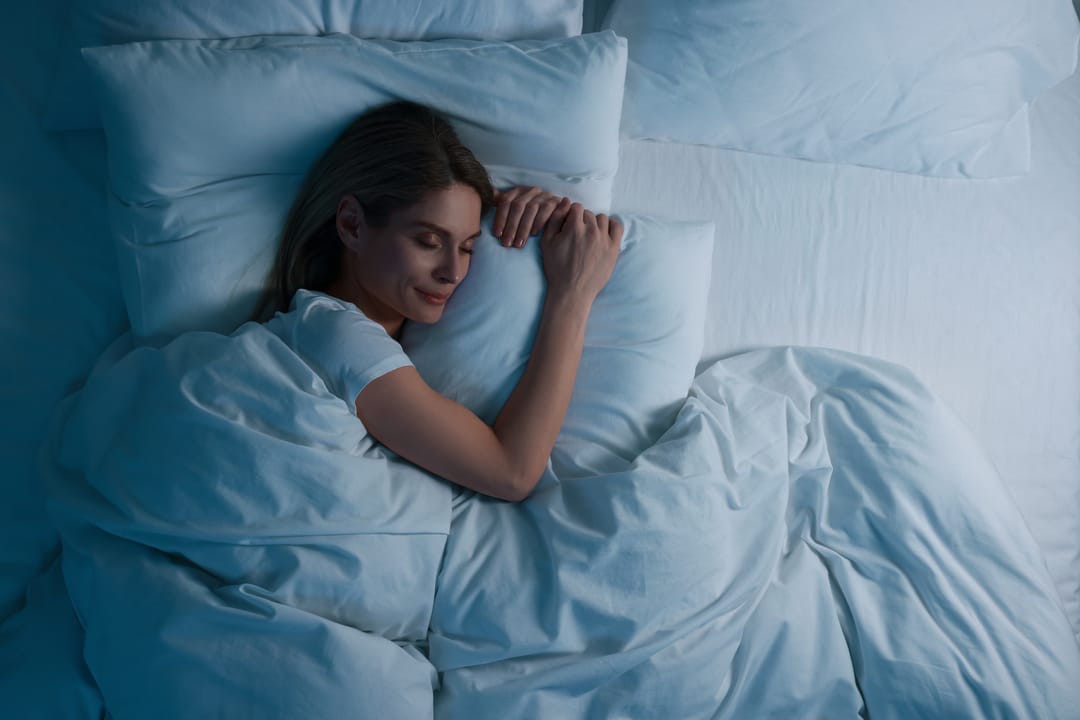
Turkish cotton, on the other hand, is lighter and more breathable. This lets air circulate, so you'll sleep refreshingly throughout the night.
With its lightweight, breathable, absorbent, and quick-drying properties, Turkish cotton is a more comfortable option for people living in hot climates, those who sweat at night, or those who prefer lightweight sheets. Plus, it becomes a little softer after several washes, increasing comfort over time.
It's really important that a product is authentic.. For this reason, the origin of the cotton must be clearly stated as 100% Egyptian or Turkish cotton.
If you want to make sure it's real Egyptian cotton, look for the Cotton Egypt Association certification, which has a white cotton boll inside a black pyramid. For Turkish cotton, look for labels (that especially include the phrase "Aegean cotton") indicating where in Turkey it was produced.
Advantages of Turkish Cotton:
Disadvantages of Turkish Cotton:
Advantages of Egyptian Cotton:
Disadvantages of Egyptian Cotton:
When you're buying a high-quality cotton product, one of the first things you should check is where the cotton came from and whether it's been certified. Just because something says "Turkish cotton" or "Egyptian cotton" on the label doesn't mean it's good. The important thing is to make sure the product is truly made from the specified cotton and that the production process is reliable.
For Egyptian cotton, verifying that it is genuine Egyptian cotton is even more critical. Just to be on the safe side, please check:
But for Turkish cotton, manufacturer transparency and textile certifications are more decisive factors.
are important indicators.
If you're looking for practical and comfortable products to use in the bathroom, at the gym, or on the beach, products made from Turkish cotton may be the ideal choice for you. Thanks to the fact that they become softer and more absorbent over time, you can enjoy long-lasting comfort.
Turkish cotton can't be said to be better or worse than Egyptian cotton. How good it is depends on what you use it for. If you're after a luxurious experience and a sturdier texture, go for products made from Egyptian cotton. But if you're after comfort, hygiene, and practicality, then Turkish cotton is the way to go.
Yes, Turkish towels are perfect for everyday use. They're absorbent, lightweight, and dry quickly.
Because they're made from high-quality, long-staple Turkish cotton, they become softer with use. This is the most well-known characteristic of Turkish towels.
Since durability depends on the fiber structure, Egyptian cotton has a slight advantage. However, a towel made from high-quality Turkish cotton might last longer than one made from low-quality or standard-fiber Egyptian cotton.
After learning about Turkish and Egyptian cotton, if Turkish cotton products seem like the right fit for you, you've come to the right place.
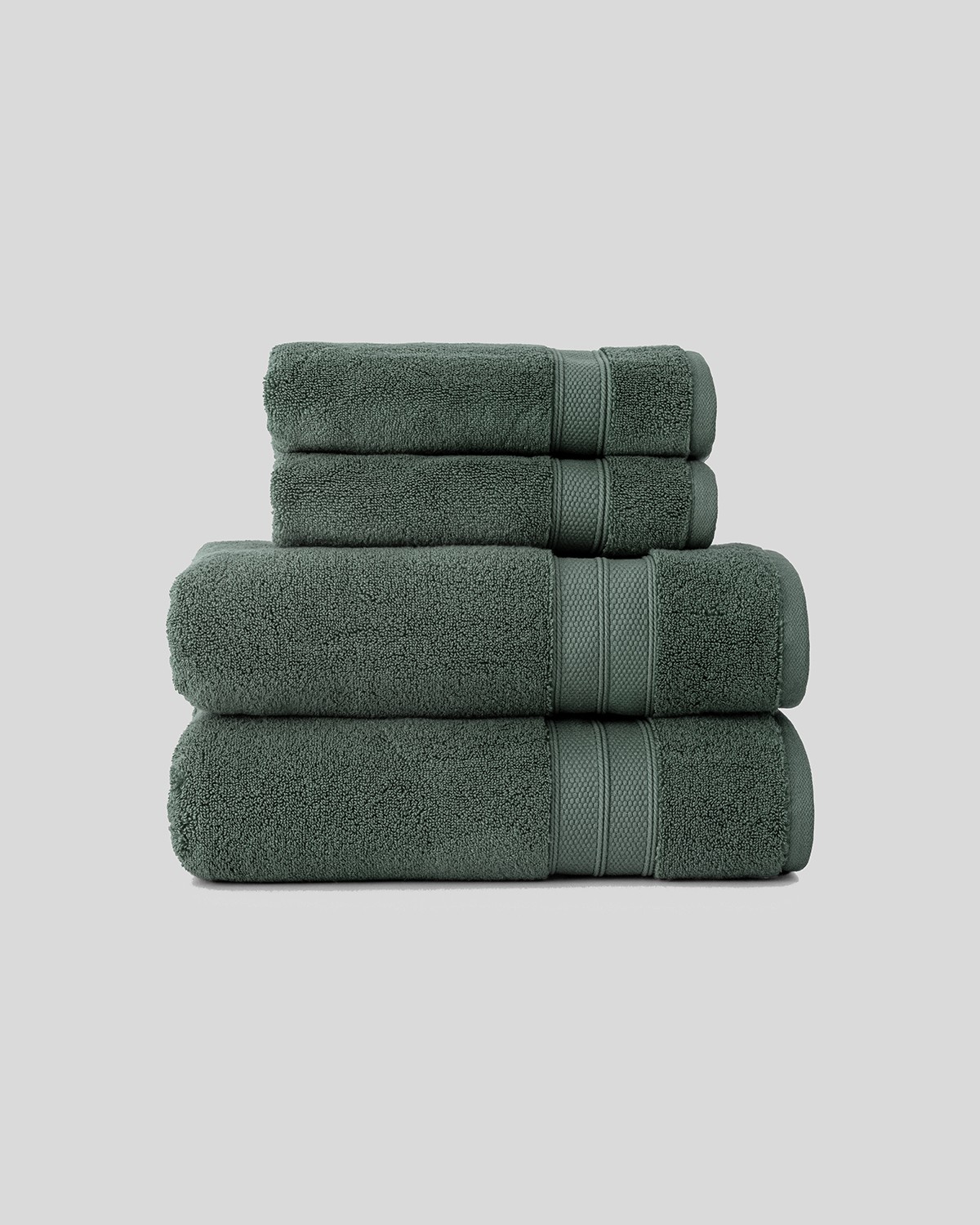
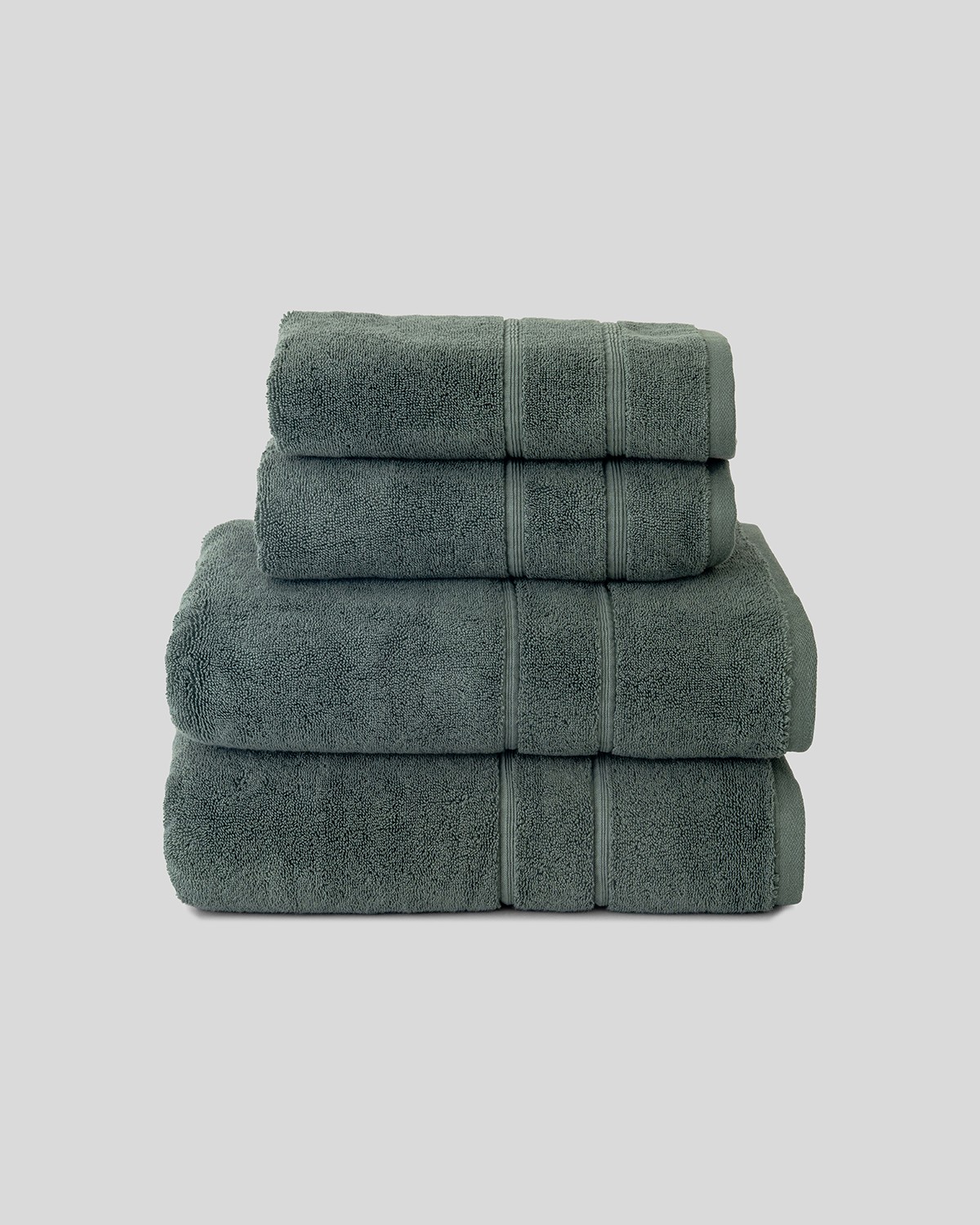
At capyhome, our wide range of products, from bath towels and beach towels to bath slippers and shower curtains, has everything you need to bring comfort and practicality into your everyday life.
Why not take a look and find the perfect ones for you?

Join the capyhome circle for new colors, care notes and early access.